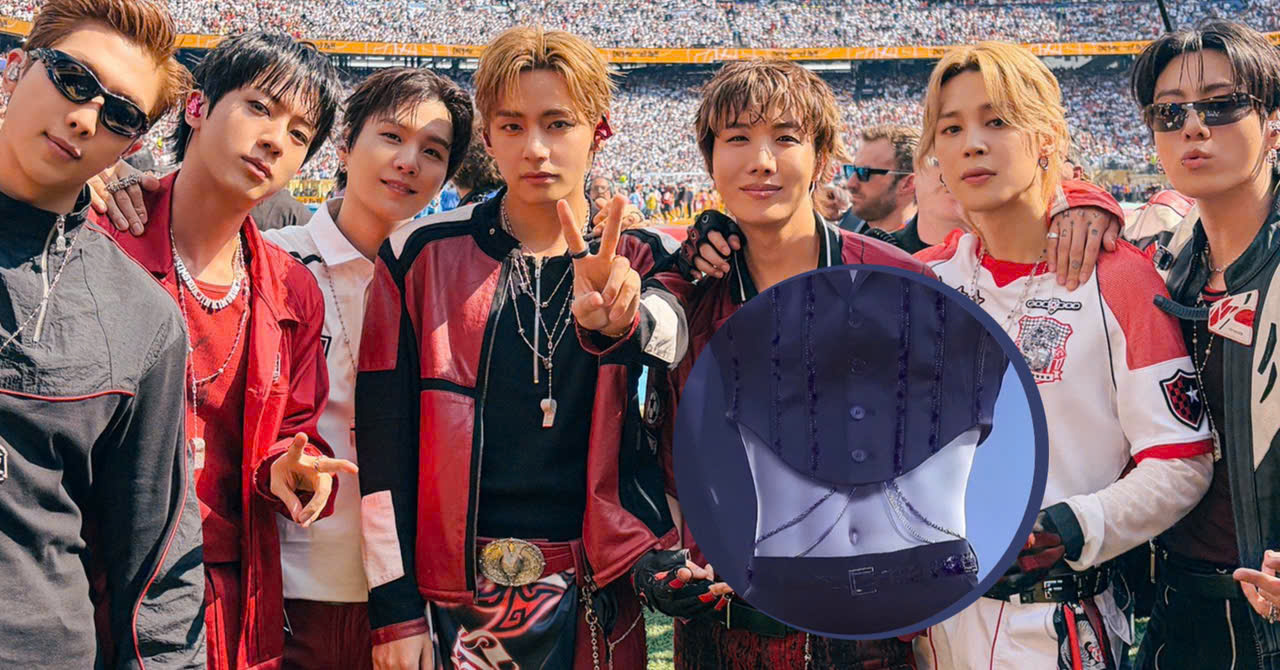
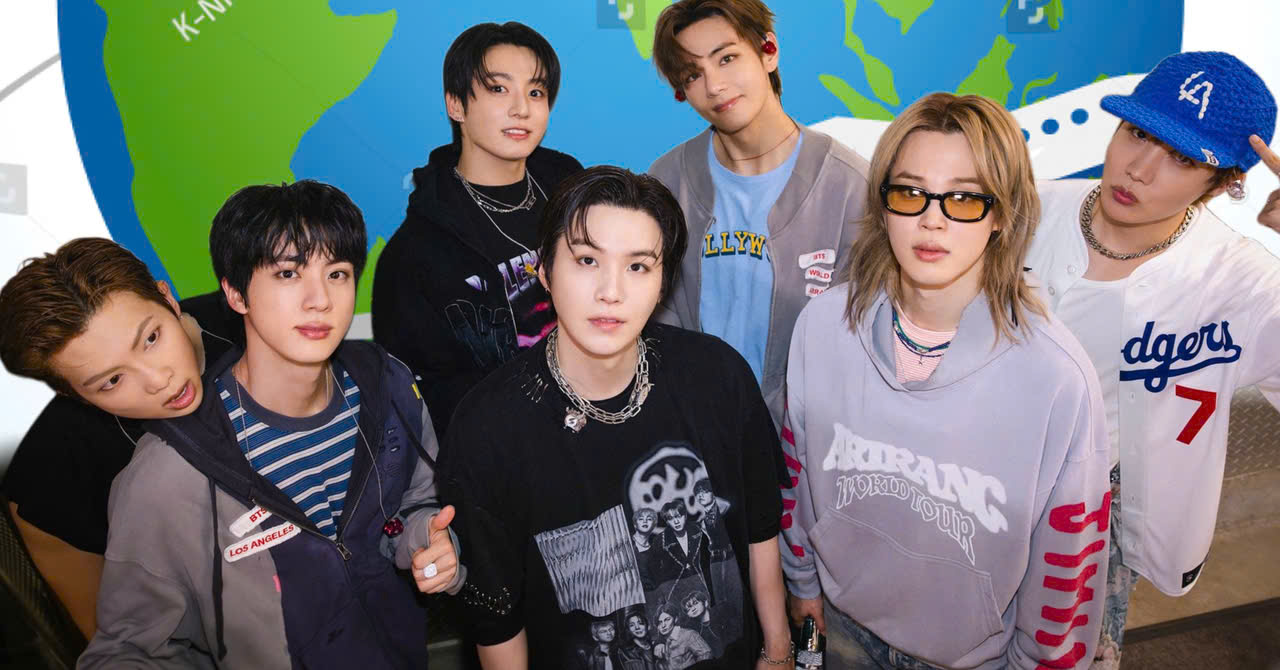
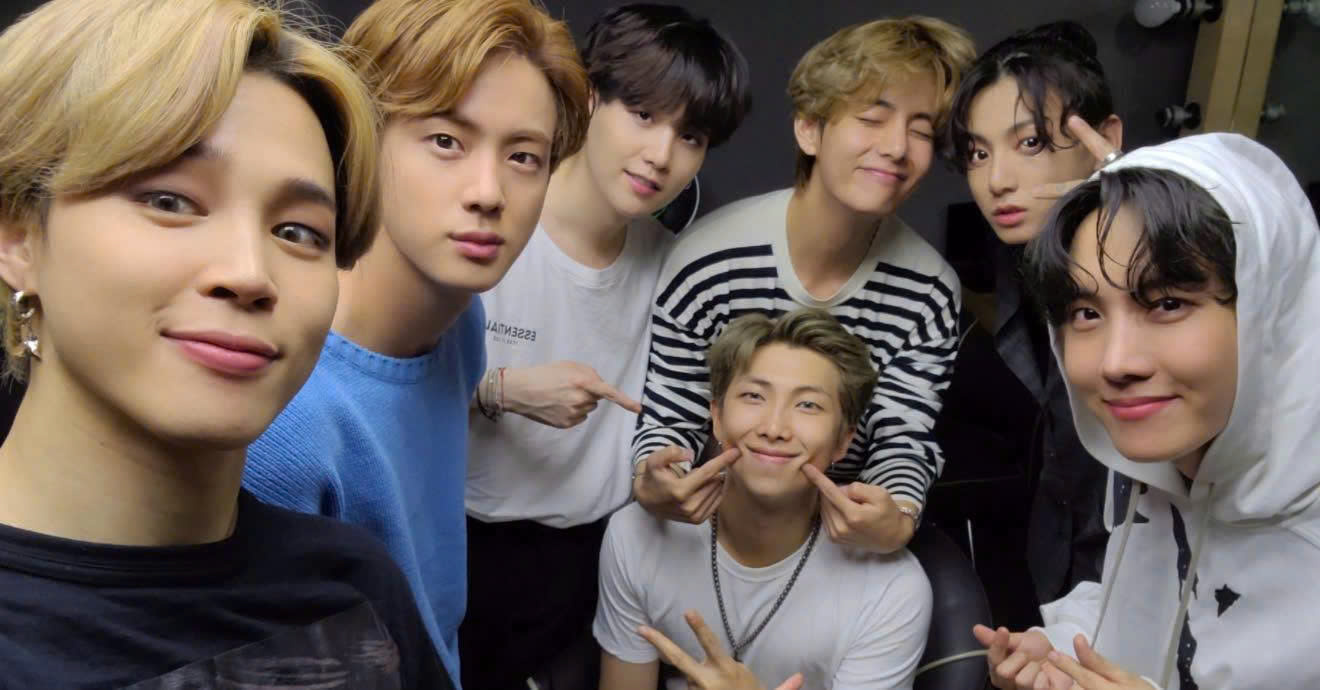
BTS have built an unparalleled reputation over the years. Through their solo careers, the members have matured artistically and achieved remarkable individual success. Now reunited for the album ARIRANG and a mαѕѕive world tour, the group's collective power has been amplified more than ever before.
ARIRANG recorded approximately 4.17 million copies sold in its first week, becoming the best-selling K-pop album of 2026 based on first-week sales. The album also moved around 3.98 million copies on its first day alone, making it one of the biggest first-day sales debuts in K-pop history. It later spent three consecutive weeks at No. 1 on the Billboard 200, becoming the first K-pop album ever to achieve the feat.
Meanwhile, when BigHit initially announced the tour in January 2026, it consisted of 79 shows. However, additional dates were continuously added due to overwhelming demand, with tickets selling out during presales. The tour has now expanded to 88 concerts. With performances scheduled almost entirely in major stadiums, industry observers predict the tour could attract more than five million attendees, with the total potentially approaching six million if more dates are added.
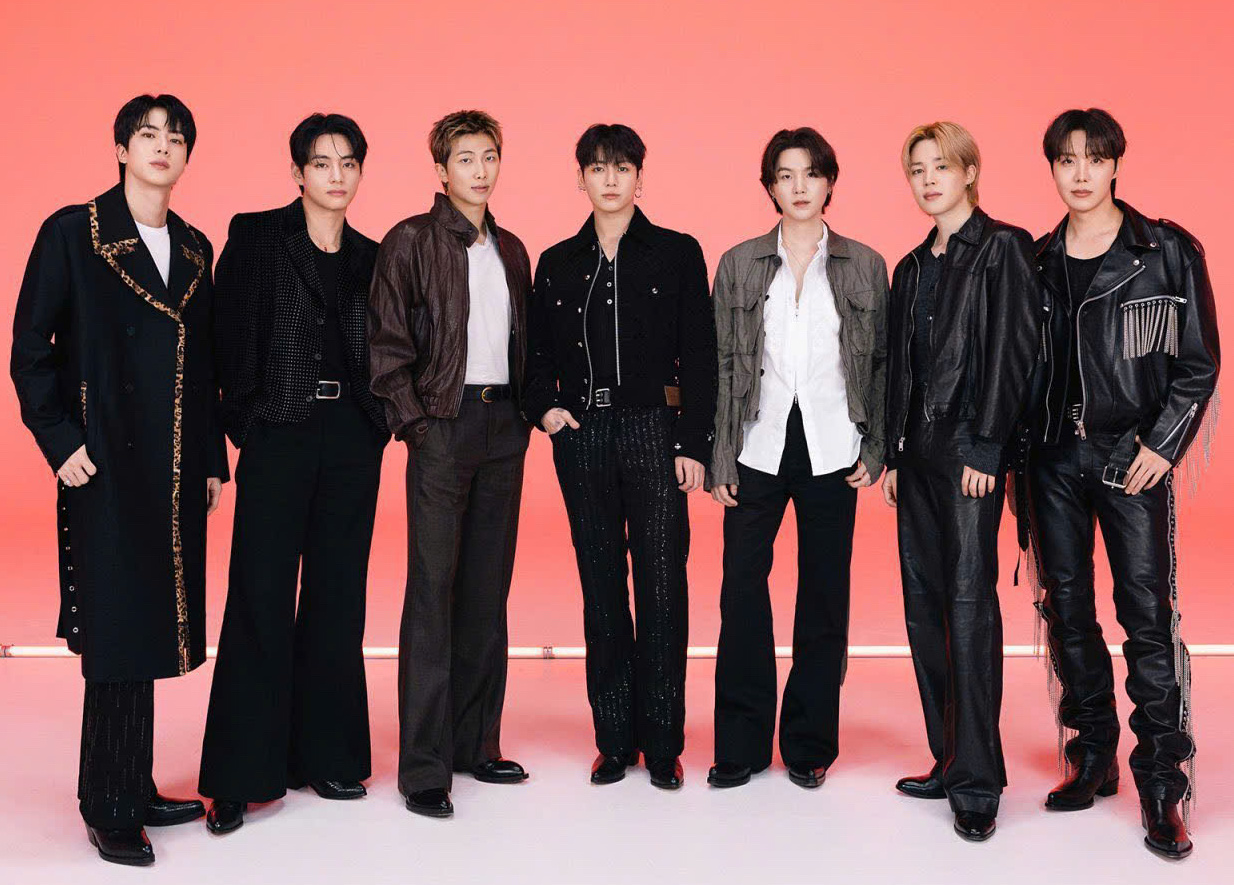
Yet around a decade ago, BTS was the only rookie act absent from one of Korea's major year-end award ceremonies. Their early showcases sometimes attracted fewer than 100 attendees, and they were often dismissed as an unknown act from a small agency. Reflecting on that remarkable rise, GQ Korea made a striking observation in its recent coverage of BTS's comeback—drawing a comparison between the group and K-pop's long-established "Big Three," a perspective that quickly resonated with both ARMY and the wider public.
The magazine wrote: “In a few short years, the scrappy underdog act was giving groups from South кσяєα’s big three entertainment companies—SM Entertainment, YG Entertainment, and JYP Entertainment—a run for their money, before becoming the local industry’s number one band and, later, transcending the scene altogether, becoming a worldwide phenomenon.”
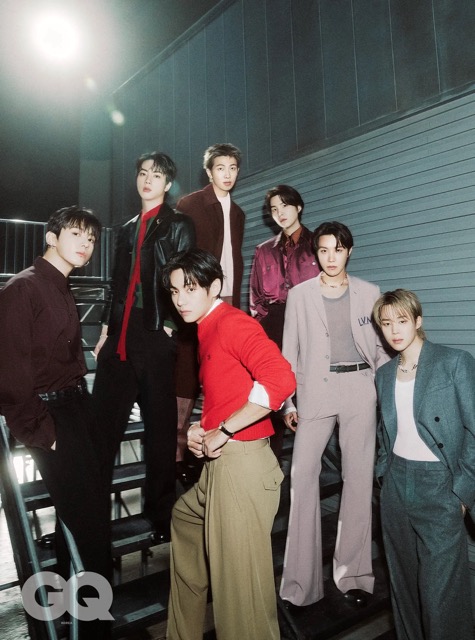
This pαѕѕage vividly outlines an extraordinary journey—from underdog to legend. The phrase “scrappy underdog” recalls BTS’s difficult early days, when they had to fιgнт to survive amid the dominance of industry giants SM, YG, and JYP. However, what impressed readers most was GQ’s description of the group’s transformation: BTS did not merely become a formidable rival to the Big 3—they ultimately “transcended the scene altogether.”
This αѕѕessment suggests that BTS are no longer just a “K-pop group” in the conventional sense. They have broken beyond the boundaries of a local industry to become a global phenomenon. GQ’s statement reinforces an obvious yet powerful truth: BTS did not simply win the race in their home market—they created their own lane, one in which they stand alone and irreplaceable. This is a testament to the power of perseverance and a strong artistic identity—qualities that enabled a group from a small company to reshape the global music landscape.
For anyone who still questions GQ кσяєα's αѕѕessment, the numbers provide a compelling illustration!
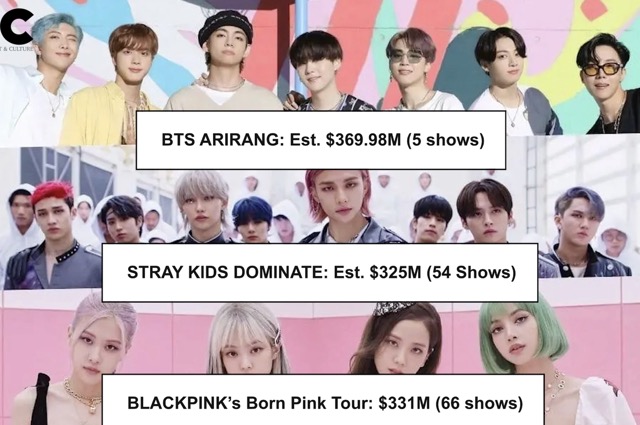
According to the article "BTS: UPDATED ECONOMIC IMPACT" published by AEC, Stray Kids' dominATE World Tour is estimated to have generated approximately $320–325 million from 54 shows. Meanwhile, BLACKPINK's Born Pink World Tour—widely recognized as one of the highest-grossing tours by a girl group in history—reportedly earned around $331 million from 66 concerts.
In other words, major artists typically generate between $330 million and $360 million from large-scale global tours consisting of more than 50 shows—figures widely regarded as the gold standard of the industry. For BTS, within just the first five dates of its 88-show run, including three nights in Goyang, South кσяєα, and two nights in Tokyo, נαραи, ARIRANG World Tour reportedly became the highest-grossing tour in Asia, with an estimated revenue of $370 million.
At that point, it becomes difficult not to agree with GQ кσяєα's description of BTS. Fans, too, have overwhelmingly embraced the comparison, commenting:
- Louder !! So that the people at the back can hear!
- From underdogs to worldwide icons… their journey is literally the definition of a legend. GQ captured BTS’s story so beautifully
- The big 3 fought so hard to keep them BTS down but God had other plans
- Add up the big three and it still wont come near Hybe’s value.
- Now they are the biggest band in the world. BTS PAVED THE WAY
- Oh big 3 was bones from the beginning LMAOOO
- giving groups from the big 3 a RUNNNN for their money. good job GQ!
- i love when they acknowledge that they are bigger than the entire kpop industry
- Oh this is gonna ruffle some feathers and I'm absolutely here for it
- GQ said it perfectly. BTS didn’t just compete with the Big 3—they transcended K-pop and became a global phenomenon on their own terms
- They didn’t just win the race, they created their own lane. That line from GQ gave me chills