Cyberspace is an open space where everyone can share their personal opinions and exercise their right to freedom of speech. However, its dark side has also created anonymous individuals who enjoy insulting, defaming, or threatening others, causing emotional harm in the process. They believe that a single comment on the Internet can satisfy their temporary emotions without anyone knowing their identity or holding them accountable for what they say.
But reality is completely different. Freedom of speech has never meant freedom from the consequences of that speech, especially when the words involve threats against public safety or other people’s lives. Over the years, South кσяєαn authorities have continuously tightened their response toward online threats targeting public events or large crowds, because even a careless comment can create serious fear throughout society.
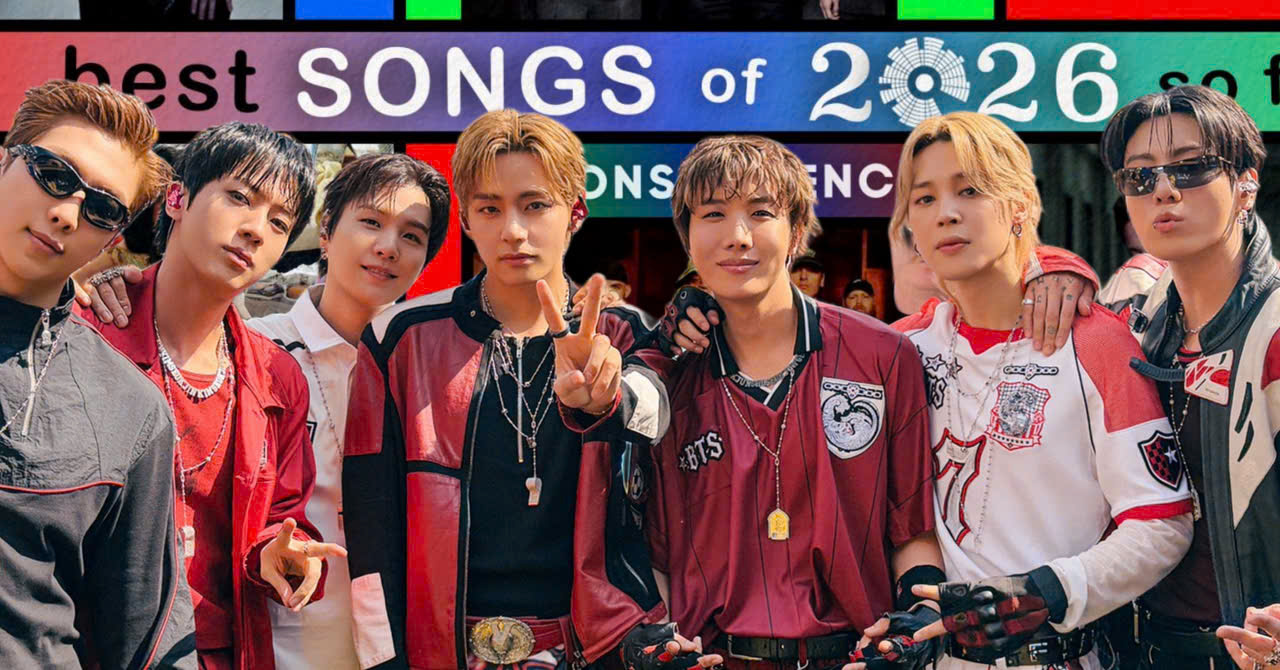
On top of that, there are also the sharp eyes and constant vigilance of ARMYs on social media, who never let anyone slide if they show any intention of harming BTS, the fandom, or disrupting their events. The recent case of a man in his 50s being sentenced after posting threatening comments aimed at sabotaging BTS’s comeback performance at Gwanghwamun once again serves as a textbook example and warning for those harboring malicious intentions.
According to кσяєαn media outlets, on the 12th, Judge Kang Kyung-mook of Criminal Division 14 at the Northern Seoul District Court sentenced defendant Kang (50) to 10 months in prison, suspended for two years, on charges of public intimidation. In addition, the court ordered him to remain under probation supervision and complete 200 hours of community service.
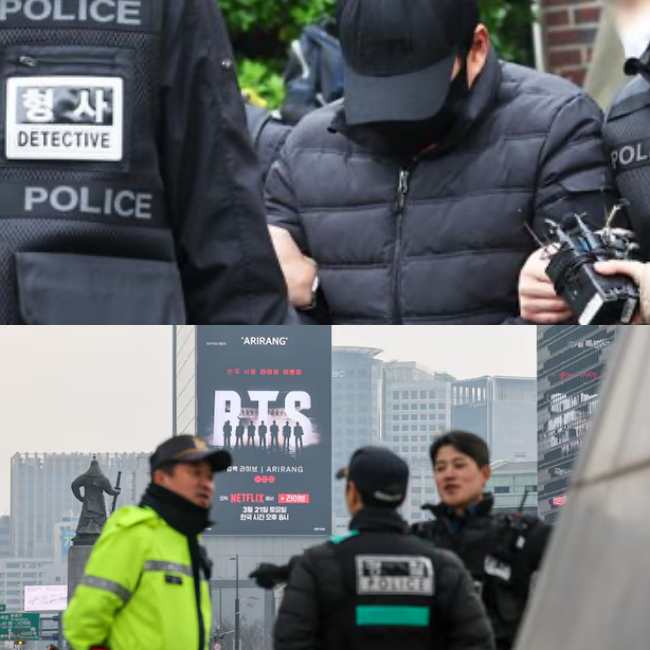
Kang was accused of using his mobile phone at his home in Dobong District, Seoul, to post the comment, "I will put gasoline in a water bottle and throw it," under an Instagram post titled “Traffic Control Information for BTS’s Gwanghwamun Performance” on March 19 - two days before the concert took place.
In addition, he left several other threatening comments directed at unspecified crowds, such as “I will commit arson” and “This Gwanghwamun concert will turn into a sea of fire.” Authorities clarified that at the time, the defendant had posted a total of 22 comments implying harm to the lives or physical safety of unspecified members of the public expected to gather around the concert venue.
After receiving reports through the 112 emergency hotline, ρσℓι¢є identified Kang as the primary suspect and carried out an emergency arrest. During the investigation, Kang admitted: “I simply did it to attract attention and never actually intended to carry it out.”
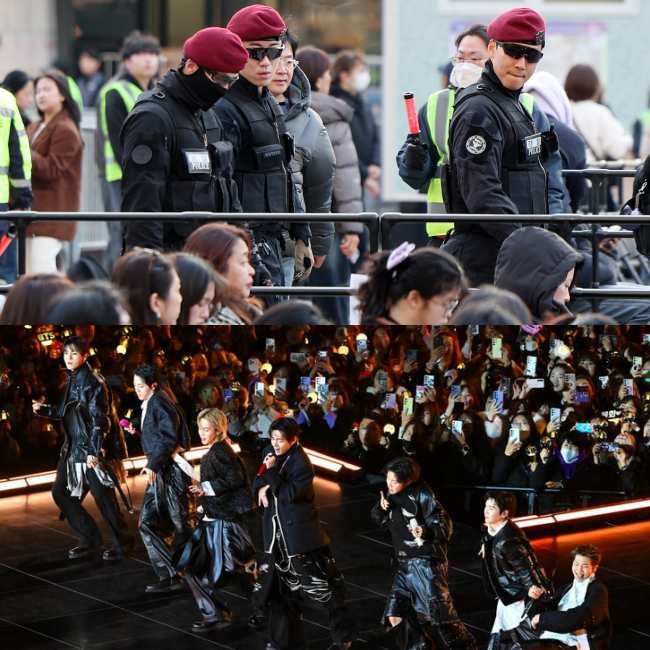
However, given the authorities’ strict stance toward crimes involving public threats, ρσℓι¢є requested a detention warrant for Kang. After the warrant was approved, investigators proceeded with the case and transferred it to the prosecution. Prosecutors also concluded that Kang’s actions constituted a criminal offense and formally indicted him while in detention.
Two months after the concert, Kang finally faced legal punishment. The court stated: "This crime undermines public safety by causing anxiety and fear among many members of society, and therefore, it warrants strict punishment." However, the court also explained that the sentence took into consideration mitigating factors such as the defendant admitting to the crime, showing remorse, and having weak family and social ties.
In the end, those who hide behind keyboards to threaten the safety of artists and the public inevitably pay a heavy price before the law. The sentence handed down to this man stands as a harsh warning to anonymous individuals lurking online with the intention of emotionally harming others. Meanwhile, for ARMYs, this was not only a satisfying victory for justice, but also a huge relief in knowing that they were able to protect the artists they love!