In the fiercely competitive “market” of K-pop, where artists are often viewed as “products” and fans as “consumers,” it is far from easy for a group to survive in the long term. Every year, countless new idol groups debut, bringing striking visuals and diverse talents, creating a “marketplace” that is as competitive as any other industry.
Within this whirlwind, the golden era of idol groups has become shorter and more fragile than ever. The history of K-pop has shown that the lifespan of a group typically lasts only five to seven years. Many groups disband just a few years after debut, fail to maintain their original lineup, or lose the glory they once had.
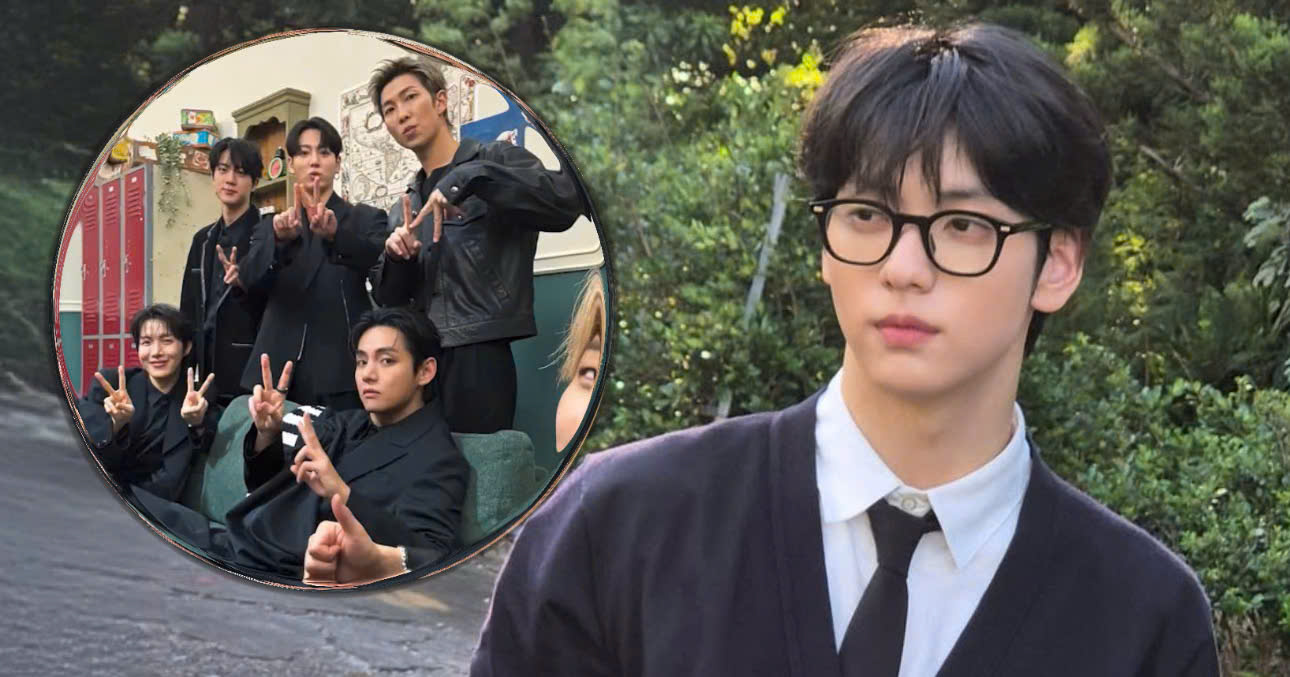
The recent departure of Heeseung, with ENHYPEN continuing activities as a six-member group, has once again become an example showing how maintaining an original lineup and sustaining long-term popularity can be an almost impossible task for many groups. This year marks ENHYPEN’s sixth year of activities, and fans have also taken note that the so-called “seven-year ¢υяѕє” still appears to be a nightmare for idol groups and their fandoms.

From a superstitious perspective, one might say so, but in reality there are more direct reasons why most groups fail to maintain their original lineup after seven years. For example, standard contracts between idols and кσяєαn entertainment companies usually last seven years (according to regulations set by the кσяєα Entertainment Producers’ Association). When this period expires, many groups do not renew their contracts with all members due to issues with management agencies, conflicts among members, differences in popularity levels, or personal pressures.
In the case of Heeseung and ENHYPEN, Belift Lab stated: “Heeseung has his own distinct musical vision and we have decided to respect it,” and “We concluded that allowing Heeseung to focus fully on his career as a solo artist, rather than pursuing solo activities within the team, would be the most fulfilling approach for both ENHYPEN and Heeseung,” suggesting that the issue stemmed from a lack of alignment between the member’s individual direction and the group’s activities.
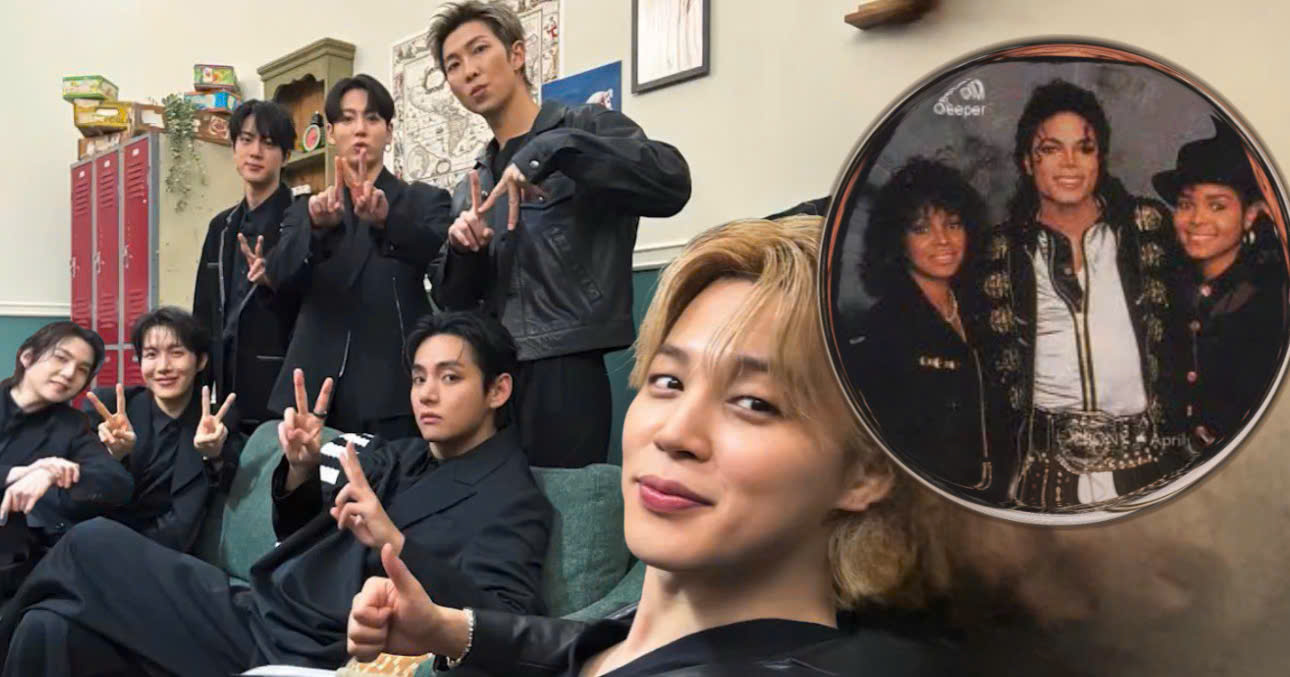
Looking at events like this, K-pop fans are even more surprised that BTS not only overcame the so-called “seven-year barrier” but have also maintained their full lineup and continued their success for the past 13 years, renewing their group contract with BigHit Music three times. Many fans wonder: where exactly is the limit for global superstars BTS?
At this point, an old quote from RM has gone viral again after he once spoke about the group’s future in an interview, saying: “This is us talking because we want to do this for a long time. We pαѕѕed the so-called seven-year limits… BTS stands for Bangtan Boys, and we envision ourselves becoming Bangtan Papas or even Bangtan Grandpas. Maybe 20 or 30 years later. That’s what we want. BTP let’s go.”

The way the leader described his vision of BTS becoming “Bangtan Papas” or even “Bangtan Grandpas” was not merely a humorous remark but also a confident declaration of the group’s longevity—one that left fans emotional while netizens admired the determination, unity, and perseverance of BTS. In an industry that frequently witnesses groups disbanding or changing lineups, the friendship among the seven members is soмєтнing many cannot help but admire.
It is not only RM—other members of BTS have also repeatedly emphasized their desire to stay together as a group. Jungkook once said, “I just want our BTS team to stay together for as long as possible.” V also stated in a recent interview with GQ: “We all treasure BTS more than we treasure each one of us separately. We debuted as a group, so I think that’s the core identity that we have.”
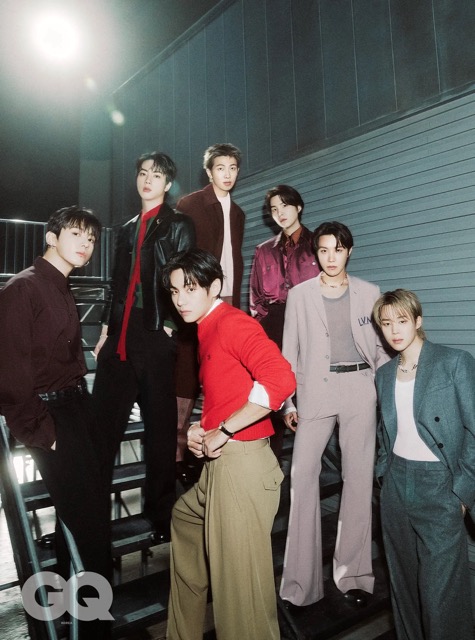
Meanwhile, Jin once explained the secret behind how BTS has managed to maintain their lineup over time: “It’s hard to maintain a team if there is a person who wants to do whatever he wants as he thinks he is successful. However, each one of us does not cross the line and concedes what he wants to do for the other members. I think that’s why we can maintain our team.”
The truth is that it is extremely difficult to reconcile individual ambitions with the spirit of a group. Even BTS themselves have admitted that they went through “thousands of times” of thinking about disbandment before reaching the state they are in today—a level of harmony where the seven of them move as one. Therefore, it wouldn't be right to call Heeseung’s departure unusual; it’s just that BTS’s unity is truly on a different level compared to the rest of K-pop!