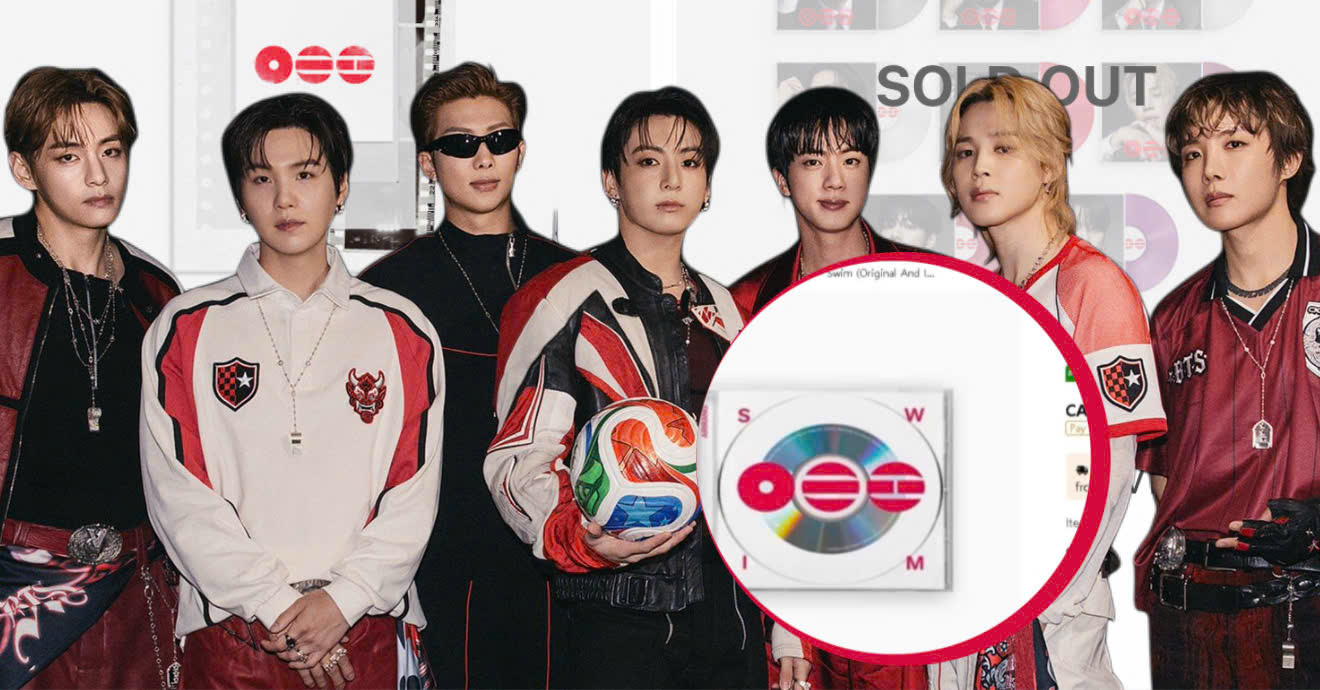
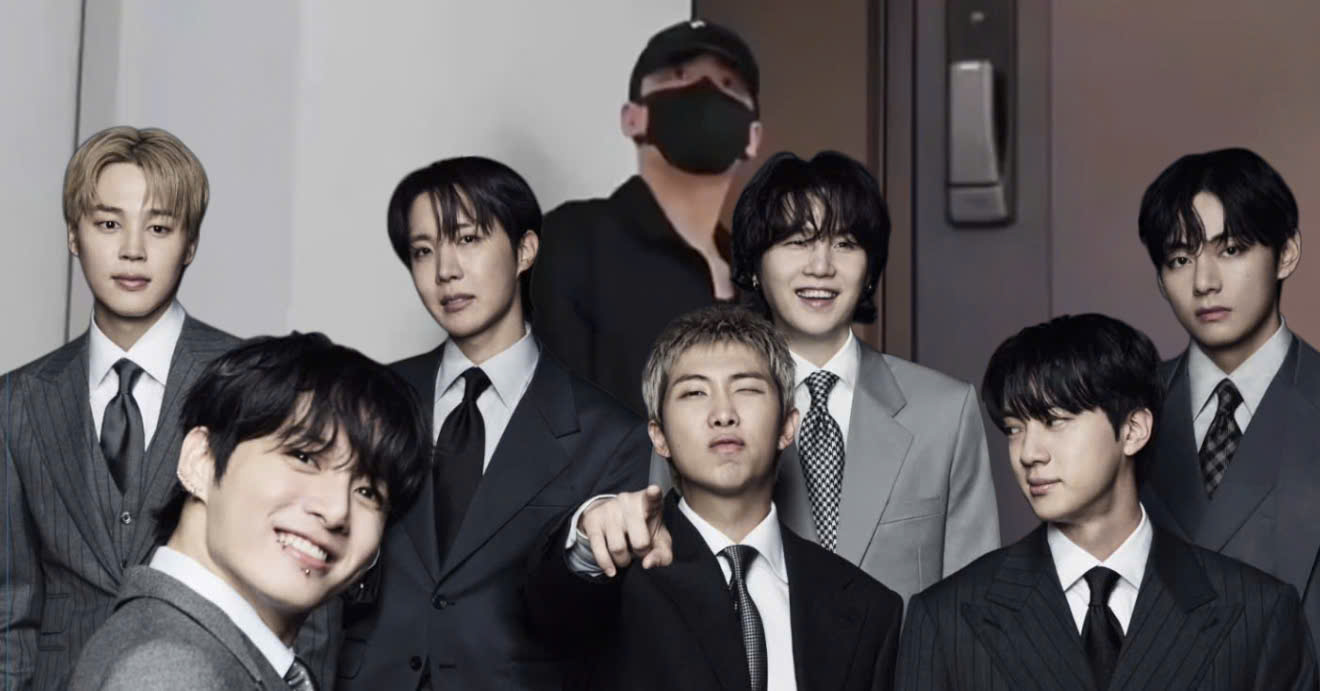
As K-pop’s global influence continues to grow, so does the number of illegal products that unauthorizedly use artists’ names, logos, images, and album designs. Counterfeit sellers target the pαѕѕionate nature of fans, especially those who may not have much knowledge about intellectual property rights, in order to make substantial profits from products αѕѕociated with famous artists.
In response to this situation, the South кσяєαn government has recently been stepping up efforts to crack down on counterfeit and fake K-pop products. In fact, the кσяєαn Intellectual Property Office has previously identified and ordered action against businesses that used K-pop artists’ stage names and images without authorization. Such moves reflect South кσяєα’s increasingly firm stance on protecting the intellectual property rights of artists and their management companies.
The problem, however, appears to have extended beyond the borders of a single country and into overseas markets, making it more complicated to monitor and address. A recent case directly involving BTS has sparked major controversy over IP-infringing products and the responsibility of e-commerce platforms.
Specifically, on the 15th, Professor Seo Kyoung-duck of Sungshin Women’s University said on social media that, after receiving reports from the international ARMY community and conducting an investigation, he confirmed that BTS’ “SWIM” CD single was being illegally distributed on the Chinese e-commerce platform Temu.
BTS’ “SWIM” CD single is a product originally distributed through official sales channels such as Weverse Shop. The circulation of similar products on unauthorized online platforms not only puts consumers at risk of being harmed but also directly infringes on the IP rights of the artist and their management company.
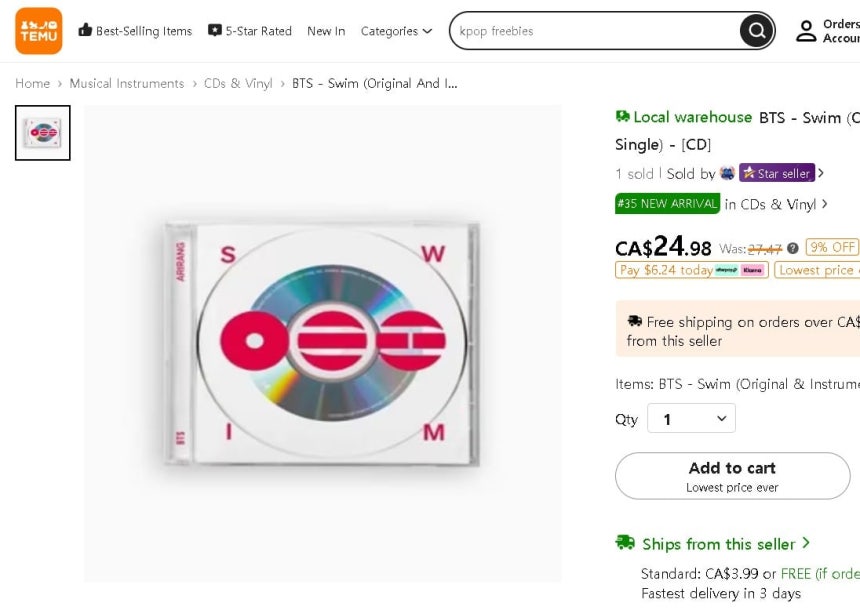
Notably, the product was not only listed for sale but was also promoted through social media advertisements to further facilitate the illegal sales. This prompted Professor Seo Kyoung-duck to strongly criticize the platform’s responsibility for managing such content. He bluntly condemned the practice, saying, “This is truly pathetic behavior.”
Many people have also pointed out that even if e-commerce platforms argue that they merely serve as intermediaries, allowing illegal products to appear freely on their services still represents a clear failure of responsibility. The issue becomes even more serious when these platforms go beyond simply providing a marketplace and actively advertise, recommend, and include such products in their search results.
The platforms’ own visibility and exposure of these products can help them reach a much wider consumer base. Such tolerance and facilitation by e-commerce platforms are clearly unacceptable. As K-pop continues to expand its influence in international markets, these platforms are expected to establish proactive monitoring mechanisms as well as systems for rapidly coordinating and responding with copyright holders.
This is not the first time Chinese platforms have faced controversy over the infringement of South кσяєαn artists’ intellectual property rights (IP). Last March, shortly after BTS’ comeback performance at Gwanghwamun, counterfeit clothing and accessories that illegally used the “ARIRANG” brand were also being traded extensively on Taobao and AliExpress, sparking widespread outrage.
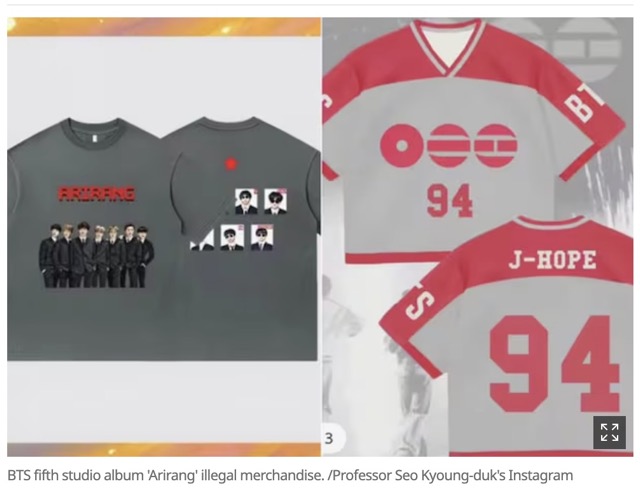
Professor Seo stressed that “it is time to put an end to this behavior,” while also calling for action: “Making profits from the illegal sale of other people’s content must be stopped immediately.”
Looking at the bigger picture, the controversy is about far more than a single piece of “counterfeit merchandise.” In the K-pop industry, which has grown tremendously through its global fan community, IP is one of the core αѕѕets of artists and their management companies. When products falsely presented as genuine merchandise are circulated and made easily accessible to consumers through major e-commerce platforms, both market trust and the revenue of copyright holders could face serious threats.