As fans already know, HYBE has partnered with global platforms, including Netflix, to promote BTS’s historic comeback this spring. Following the successful conclusion of their live concert, which lasted over an hour at Gwanghwamun on the 21st, Netflix will release another documentary project on the 27th to mark a major milestone in the K-pop superstars’ career, titled BTS: The Return.
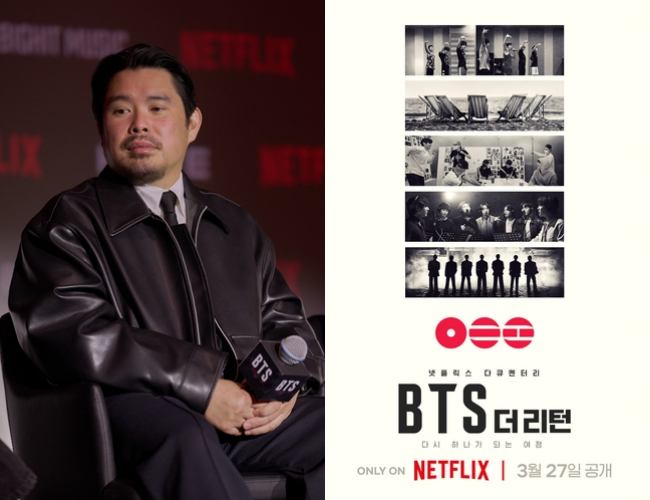
Directed by Bao Nguyen, BTS: The Return captures the group’s process of creating their fifth studio album, Arirang, which was released just last week to enthusiastic reception from fans. The film places less emphasis on grand performances and instead delves into the musical challenges and pressures of holding the title of the world’s biggest K-pop group while making a comeback after nearly four years. Much of the documentary takes place during the two months the members spent living together in Los Angeles.
Bao Nguyen is a Vietnamese-αмєяι¢αn filmmaker known for works exploring identity and culture, with films screened at major festivals such as Sundance Film Festival and Tribeca Film Festival, and broadcast on platforms including HBO, PBS, ESPN, and Netflix. His debut documentary, Live from New York! (2015), about the history of Saturday Night Live, premiered at the Tribeca Film Festival. His project on Bruce Lee, Be Water (2020), received a nomination for Outstanding Research: Documentary at the 2021 Emmy Awards. In July 2024, his film The Greatest Night in Pop earned three Emmy nominations, including Outstanding Documentary.
With the information revealed so far, fans have placed great anticipation on the project. However, some behind-the-scenes stories about the documentary have recently sparked controversy within online fan communities.
Specifically, an exclusive article by Vulture revealed that “the most surprising moment” of the entire documentary shows all seven BTS members spending a relaxing afternoon on a beach in Santa Monica. Vulture described Nguyen’s intention as follows: “Nguyen told the press that he had really hoped for a Beatles-like moment, where the group would be recognized, but in the end the members could only play soccer, sit, chat… and, of course, go swimming.”
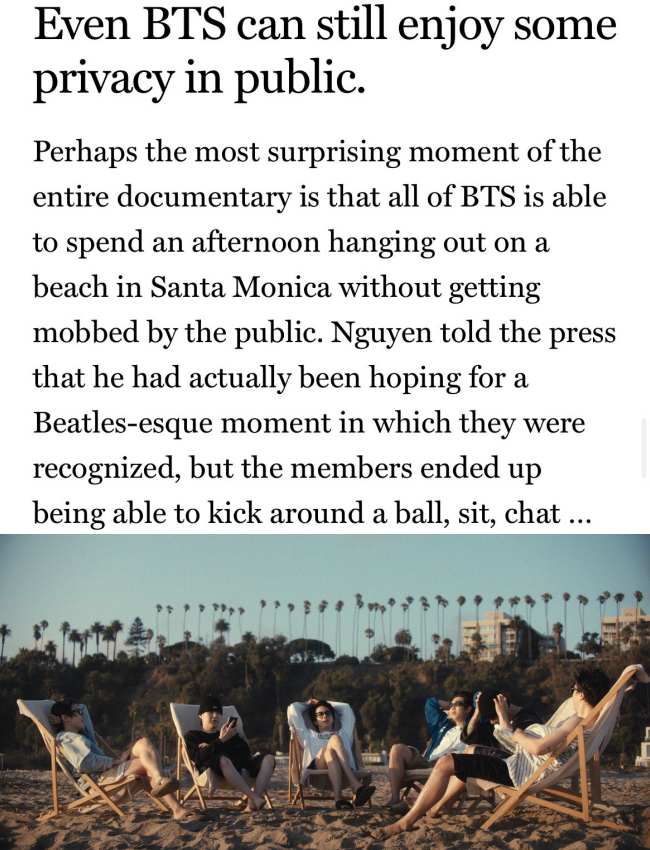
This pαѕѕage was interpreted by some fans as implying that the director had initially expected BTS to be spotted and surrounded by crowds due to their global fame. Under this interpretation, some fans and netizens felt that placing BTS in a situation where they could be “mobbed and chased” did not adequately consider the members’ safety.
Some netizens criticized him, saying: "Ain’t no fυ¢кing way someone is hoping for that…like how insane do you have to be to hope for that", "hoping for them to get mobbed and chased yeah everyone needs to be fired", "What is wrong with this person. You want them to be treated like an object???", "Nguyen and Nicole Kim need to be gone and not αѕѕociate with anything BTS do again", "what the f*ck is wrong with him?", "They are humans. So, they deserve to enjoy their private personal time without getting mobbed by the crowd",...
However, many ARMYs calmly advised others to remain level-headed and show him some leniency, suggesting that the article may have been poorly phrased and failed to accurately convey the director’s intent. One fan initiated the discussion: "I think you guys didn't understand his vision at all. He wanted a grand moment to show the world that how much exactly they are loved, obviously, it was just a VISION". Meanwhile, other fans agreed, commenting:
- I feel inclined to give him the benefit of the doubt and αѕѕume this was poorly worded, and that it’s meant that he “anticipated” or “expected” that but was pleasantly surprised because why tf would you hope for that
- wait wait, i think he means he's just surprised that this didnt happened guys, cause they're really famous. I dont think he means he's disappointed that this didnt happened...I hope so
- Y'all know that “hope for" is another way of saying “expect” right?? It’s not that he wanted them to get mobbed, but knowing how big they are he was thrown off by the fact that the boys have fans who respect their privacy idk at least that’s how I understood it
- the better word actually “expecting to get mobbed” meaning thinking it but the opposite happens. i think the article is bad written
- Pls stop reading articles and go watch studio notes instead yall are not ready for this doc and are abt to be more miserable wannabe boy moms after its release
- have u guys considered there're multiple perspectives? he's saying this as a director with a vision for the docu wanting to tell a story.
- i think the wording was bad and you all need to chill. the director and bts know what they've done
On the other hand, at a press conference for the documentary BTS: The Return, held in central Seoul last week, Nguyen stated that the film would explore aspects that remain little known, even after BTS’s 13 years since debut. “The weight of this return was evident when we were filming and the pressure that they were experiencing, I knew the film was going to be slightly different from what I had pictured,” he emphasized.
Through the teaser and several preview images, the documentary avoids the glitz of stadiums and global stages, instead focusing on small, intimate moments: the members swimming, playing volleyball, or simply laughing together. In one particularly memorable scene, Jimin dives into the ocean, sending the others into bursts of laughter. This sense of intimacy continues around the dining table, where the members gather over meals and openly share their thoughts and concerns about the album. Conversations unfold over glαѕѕes of soju, revealing raw and unfiltered emotions, with moments of doubt, reflection, and mutual encouragement.
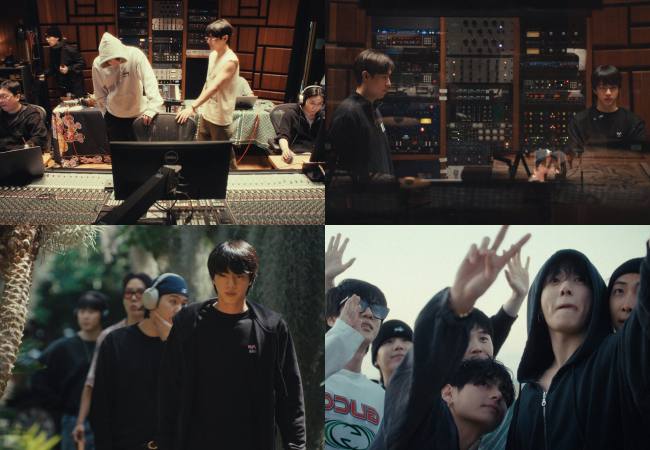
Through such candid and intimate scenes, a sense of empathy emerges—a reminder that these global superstars are, in many ways, just like us, each carrying their own burdens while striving forward through hard work. The film also highlights the group’s defining dynamic: brotherhood and a second family. Clearly, it is this bond that enables BTS to move forward—or, as they describe it, to “swim”—together, balancing authenticity with the immense responsibility of representing not only themselves but also all of South кσяєα on the global stage.