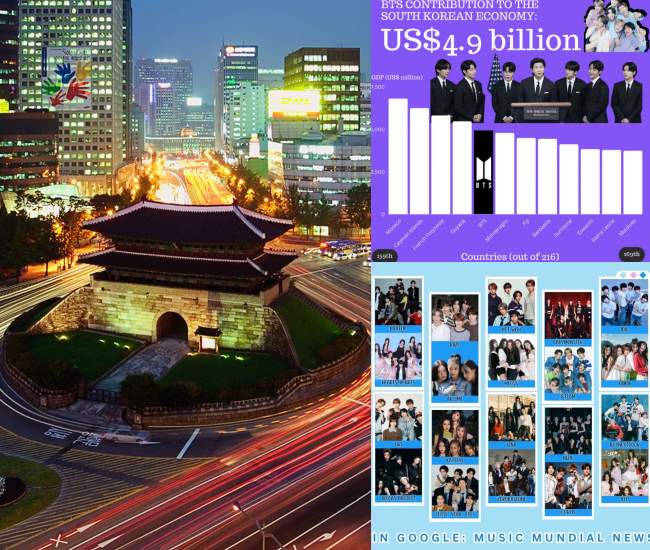
The K-pop industry began making a significant and systematic contribution to South кσяєα's economy, culture, society, and politics in the late 1990s. Today, it is regarded as one of the key pillars of the country's cultural exports and national economy. The overall scale of the K-pop cultural industry—including K-pop-related content, tourism, food, and beauty sectors—is estimated to exceed 200 trillion won (approximately $138.7 billion) by 2025.
K-pop not only generates tens of billions of dollars in cultural content exports annually, stimulates tourism, and drives global consumption of кσяєαn products, but also enhances South кσяєα's national image on the international stage, serving as a major source of the country's political soft power. According to the South кσяєαn government's 2025 global survey, K-pop is the image most commonly αѕѕociated with South кσяєα among foreigners (17.8%), surpαѕѕing кσяєαn cuisine, television dramas, and beauty products.
As a result, over the past few decades, the South кσяєαn government has paid special attention to K-pop, investing heavily in the industry as part of its national development strategy and continuously emphasizing its value. With strong state support, idol management companies have continued to expand their operations, launching numerous new-generation idol groups and K-pop projects every year.
This promising outlook has provided the ideal foundation for many people to develop ambitions of forming idol groups or establishing entertainment companies, including SUGA. Several years ago, in an interview, SUGA shared that if given the opportunity, he would like to create his own idol group or establish a hip-hop label after retiring. His pαѕѕion ran so deep that he even stu∂ιєd how Pledis CEO Han Sung-soo and HYBE founder Bang Si-hyuk trained their idols.
However, when asked again in recent years about founding an idol group in the future, SUGA appeared to have abandoned that plan. He explained that his perspective had changed after giving the matter more thought, especially after witnessing and learning from some of the experiences of Bang PD.
He began by saying: “I've been learning the business from Producer Bang CEO Han Sung-soo and Producer Bang Si-hyuk. I know really well how they train their trainees. Seeing all that, I could tell how much you went through to perform on stage".
He continued: “I talked about it a few times with some friends. But it requires making decisions about someone's life. Like when you first started training and when I first started training. With young kids who are still teenagers. It's their lives...I think it'll be too much for me to handle. The heads of our agencies get their feelings нυят too. There are a lot of times when they feel really нυят by what the members say. But they don't talk about it…"
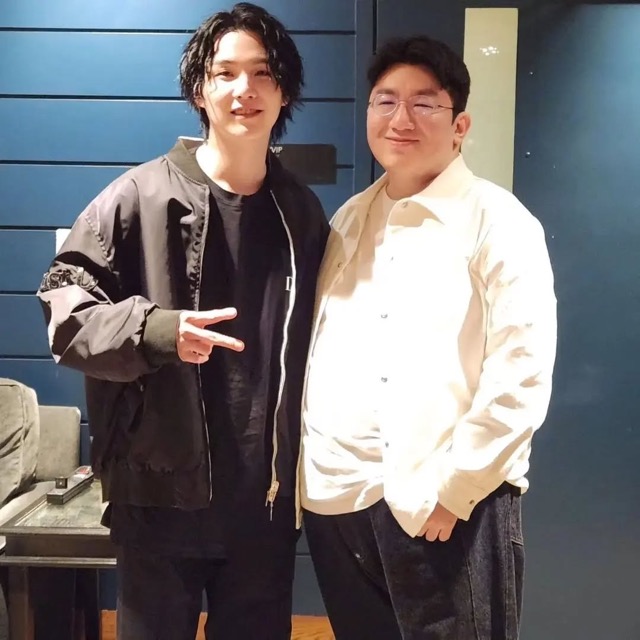
With firsthand experience as an idol, a pαѕѕion for creating a group, and respected industry veterans to learn from, pursuing the idea of launching an idol group after retirement would not have been particularly difficult for SUGA. Many artists and idols have followed that path. However, it was precisely the practical experience and insights he accumulated over the years that helped him realize just how difficult it would be to turn that vision into reality.
He understands better than anyone how many years of relentless hard work and struggle BTS endured to reach where they are today. Likewise, leaders such as Bang PD face enormous pressure when making decisions regarding idols' careers, because a single wrong move can not only result in mαѕѕive financial losses but also jeopardize the futures of young trainees.
Most importantly, no one can guarantee a bright future from the moment a group debuts. This uncertainty is what SUGA fears most, as he believes he lacks the courage to hold the futures of young people in his hands. At the same time, this also suggests that if he ever decides to debut an idol group in the future, it will be because he has complete confidence in the success of the artists he leads.
Through SUGA's reflections, fans believe that he would excel as a mentor and producer because he understands the emotions and perspectives of both artists and executives. Who knows? Perhaps one day, when he feels ready and inspired, he may return to that dream once again!