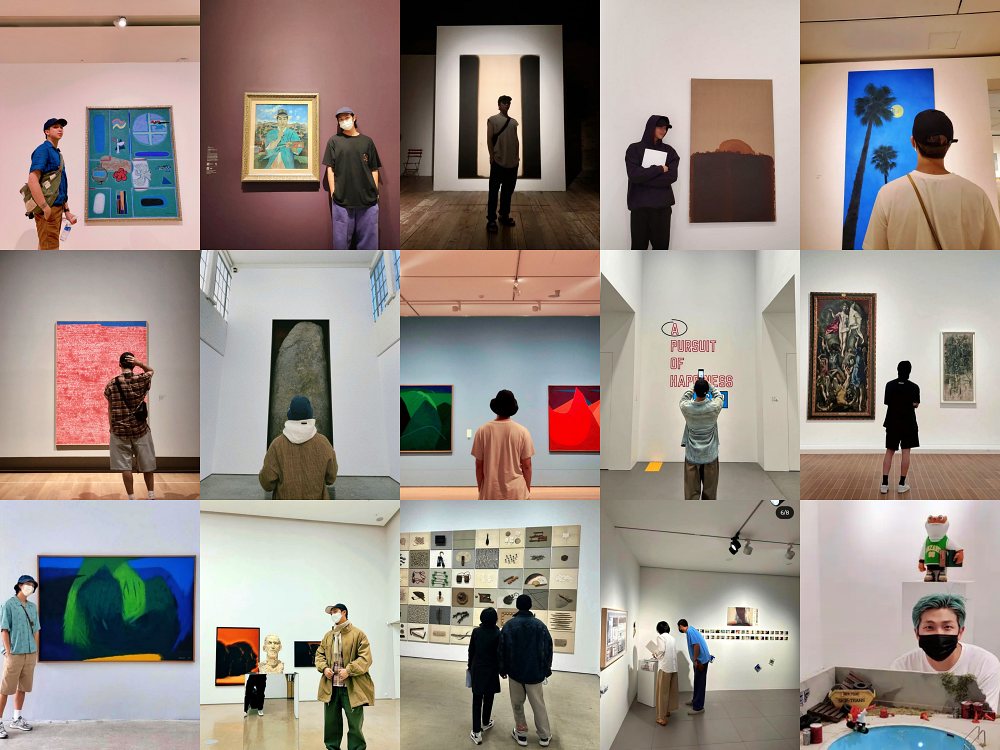
For a long time, RM has been known as someone with a profound love for the arts. Whenever his schedule allows, he regularly takes time to visit museums and exhibitions both in кσяєα and around the world. He also devotes considerable effort to studying and researching painting, fine art, and art history, collecting valuable artworks, and embracing engagement with art as a core way of nurturing his mind and spirit.
Beyond personal appreciation, RM has actively contributed to the preservation and development of the arts. In 2020, he donated 100 million won to the National Museum of Modern and Contemporary Art of кσяєα (MMCA) to support the republication of rare art books. He has also supported the Overseas кσяєαn Cultural Heritage Foundation in restoring cultural artifacts held in the United States, including a royal Joseon-era wedding robe.
Notably, RM’s deep pαѕѕion for art has extended beyond himself to influence his fans, sparking renewed interest and attention among young people toward “museums,” “exhibitions,” “art,” and “culture”—areas that have often been overlooked in an era of rapid social and technological development. One visible outcome of this influence is that the National Museum of кσяєα, which RM frequently visits and shares on social media, has entered the six-million-visitor era this year. By visitor numbers, the museum now ranks fourth in the world, following the Louvre, the Vatican Museums, and the British Museum.
In particular, the National Museum of кσяєα recently announced that, thanks to the so-called “RM effect,” it has recorded its highest museum goods revenue in 20 years. According to кσяєαn media reports, the museum’s revenue grew rapidly—from 2.4 billion won in 2007 to 8.7 billion won in 2019. Due to the impact of ¢σνι∂-19, revenue fell to 3.7 billion won in 2020, but later rebounded strongly, reaching 15 billion won in 2023, 21.3 billion won last year, and surpαѕѕing 35.7 billion won as of November this year.
Kim Mi-kyung (51), Head of Product Business at the National Museum Cultural Foundation confirmed that the most significant turning point in the popularity of the museum’s goods came in June 2021, when RM posted a photo on social media featuring two pastel-colored miniature statues of the Pensive Bodhisattva (Bangasayusang). Although this occurred during the height of the pandemic, online sales at the museum increased fourfold following the post, becoming a catalyst for the spread of a goods-collecting culture among the MZ generation.
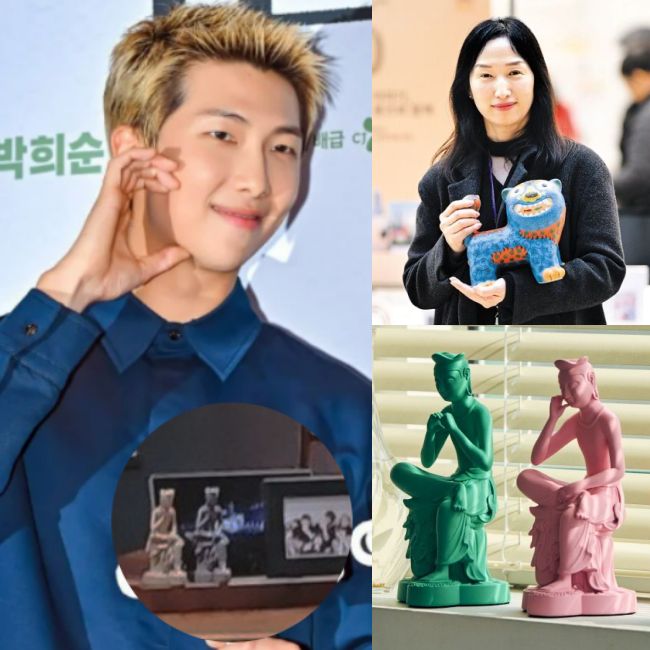
On You Quiz on the Block, Kim recalled the moment in detail: “One day, RM suddenly posted a photo of the miniature on his social media — and everything exploded.” She continued, “Recently, RM was discharged from the military, and we’re seeing ARMY fans visiting the museum. One foreign fan bought the Pensive Bodhisattva in every color. He’s had such a positive influence — we’re incredibly grateful.”
The impact did not stop there. The enamel pin “Kkachi-Tiger”, depicting a magpie perched atop a tiger—reported as one of the best-selling items in the museum’s ‘MU:DS’ goods line—also went viral after RM wore it on his lapel during his speech at the APEC CEO Summit 2025.

Beyond boosting sales figures, RM’s actions have significantly influenced public perceptions and tastes toward museums and the arts. Kim noted: “In the past, visiting an exhibition marked the end of the experience. Now, people want the emotional resonance they feel while viewing artifacts to extend into their everyday lives—and goods serve as that bridge. In fact, purchasing goods itself has become a purpose. Whereas people used to buy goods incidentally after seeing an exhibition, a new generation has emerged that visits museums specifically to buy goods.”
The surge in both revenue and visitor numbers at the National Museum of кσяєα serves as tangible proof of the αѕѕertion that “Not just a musician, RM is a cultural icon.” Through sincerity and a sustained love for the arts, RM has helped an entire generation learn how to engage in reflection and emotional healing through art, transforming cultural heritage into soмєтнing living, accessible, and deeply meaningful.
It is undeniable that RM possesses a form of soft power capable of narrowing the gap between academic art and younger generations, offering them a “key” to enter the world of cultural heritage. His case once again underscores the profound cultural influence of BTS, one of the leading K-pop acts of our time, and provides a valuable lesson for cultural policymakers seeking sustainable models for heritage promotion.
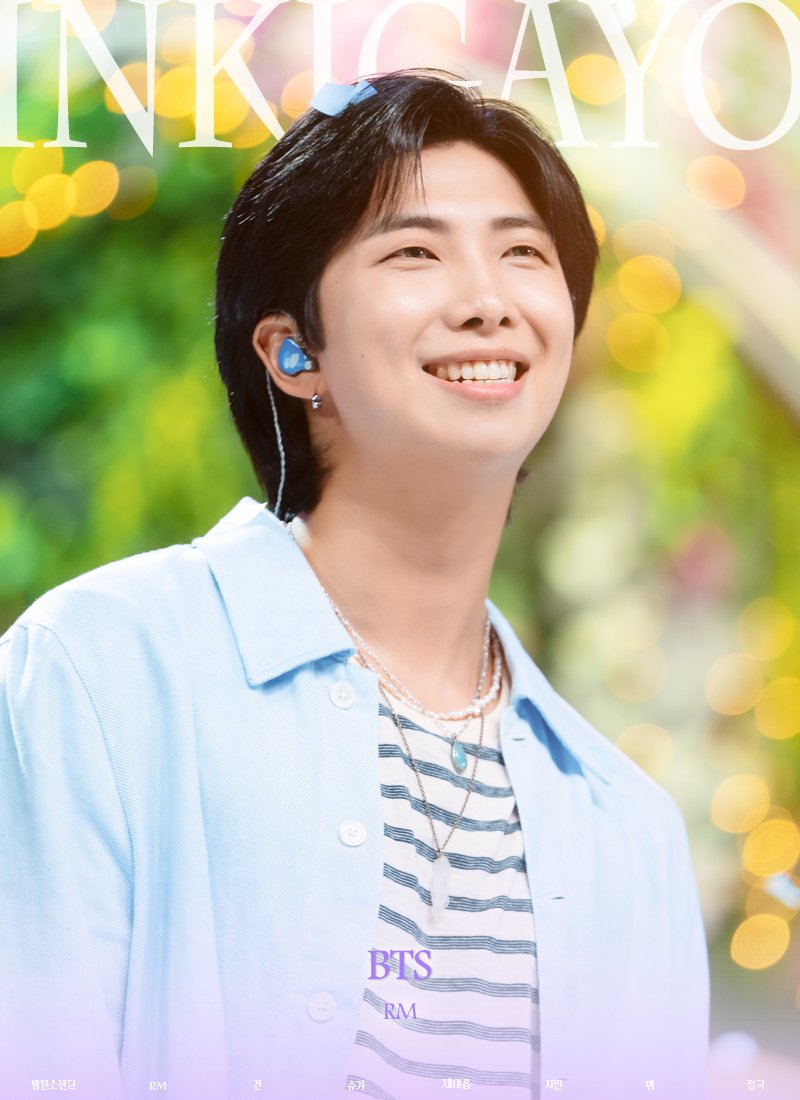
In addition, in 2026, RM will introduce his personal artistic world to fans and the global public for the first time through an exhibition titled “RM x SFMOMA” at the San Francisco Museum of Modern Art (SFMOMA), scheduled to run from October 2026 to February 2027.
The exhibition will not only present more than 200 works from RM’s personal collection alongside selected pieces from SFMOMA, but will also mark the first time a K-pop artist has served as a co-curator at a leading contemporary art museum. It is seen as an effort to connect кσяєαn art with the global contemporary art landscape, while clearly reflecting RM’s aesthetic vision and intellectual depth.