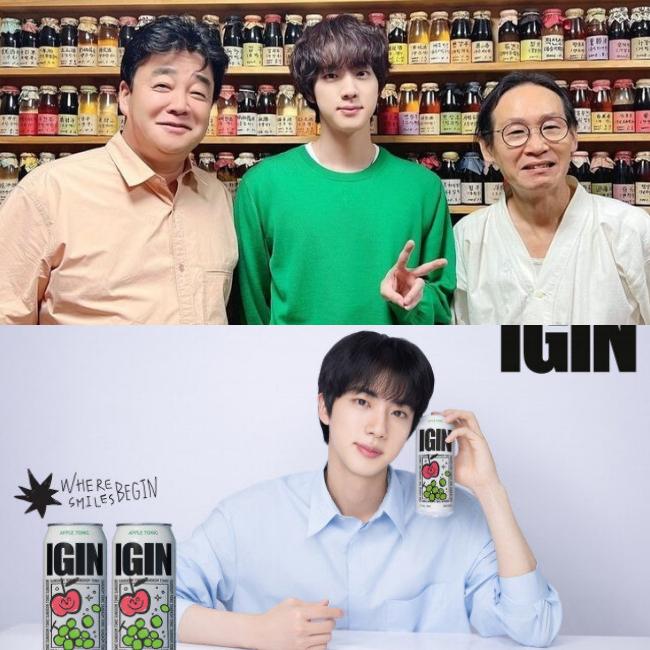
As fans are well aware, Jin established a liquor brand named IGIN in December 2024 together with renowned chef Baek Jong-won of The Born кσяєα, with the aim of developing traditional кσяєαn liquor in a modern style. As part of this venture, they also invested in Baeksuldo-ga, which serves as the distribution company for IGIN’s products.
At present, IGIN focuses on alcoholic beverages and ready-to-drink (RTD) products that are canned, low in alcohol, and easy to drink. These come in a variety of flavors such as apple, plum, gяαρє, and watermelon, aligning well with the trend of light, casual alcoholic drinks favored by younger consumers. The BTS star himself is currently the brand’s promotional model. Since their launch, IGIN’s RTD liquors have received significant consumer support and have sold well across many supermarkets and convenience stores.
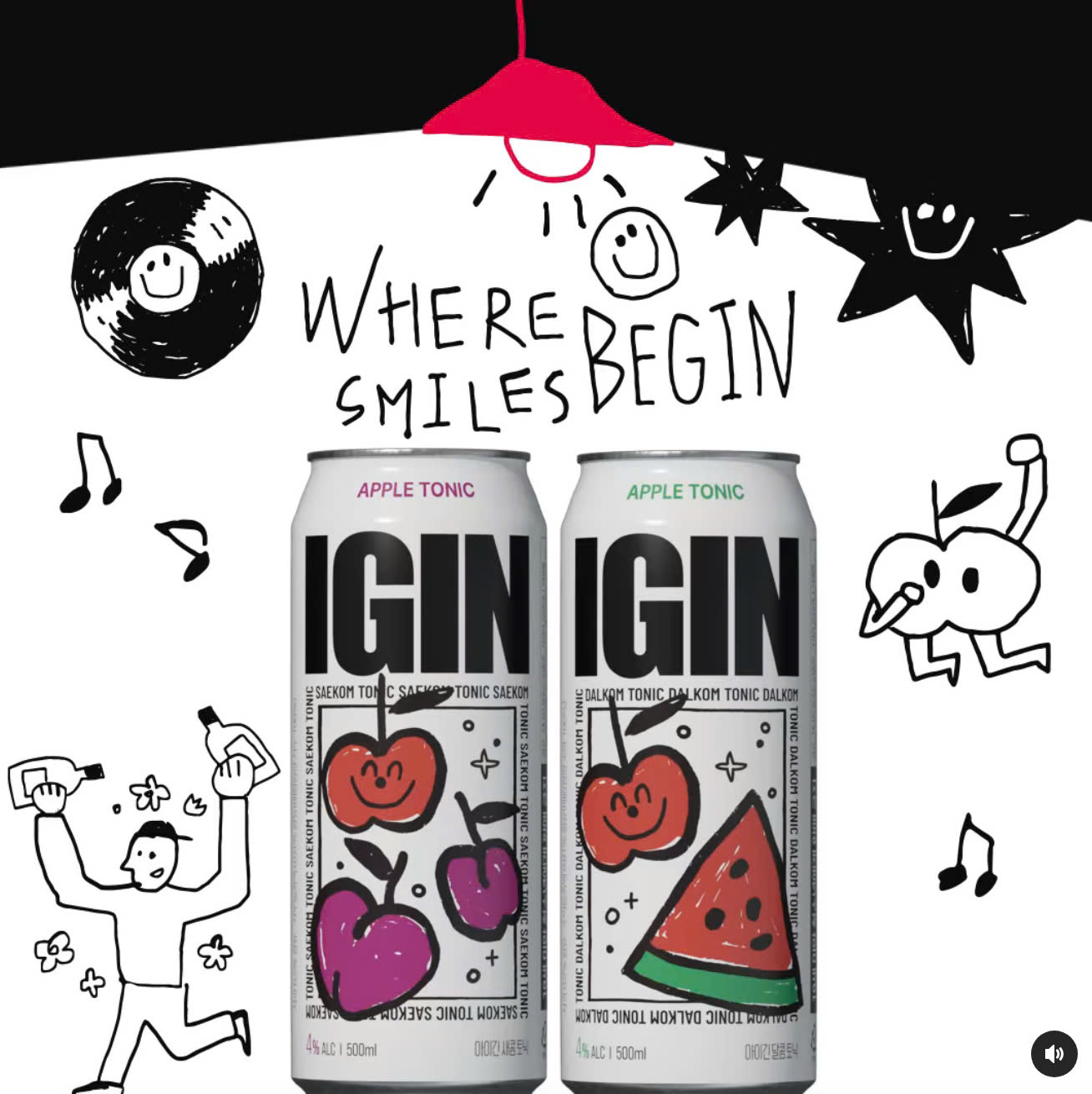
However, starting in September of this year, Baeksuldo-ga became υиєχρє¢тє∂ly embroiled in a concerning legal dispute related to alleged violations of the Country-of-Origin Labeling Act. On September 22, the company received a complaint submitted through the government’s Civil Complaints Portal, alleging that the “IGIN Highball Tonic” line used imported fruit concentrates from Chile and the United States for its plum and watermelon flavors, yet labeled the products as being produced in кσяєα (Ko).
For an agricultural company responsible for online sales, labeling all ingre∂ιєnts as “domestic” is permitted only if all components—excluding water, alcohol, sugar, and food additives—are of domestic origin. Under the Country-of-Origin Labeling Act, violations may result in up to seven years of imprisonment or a fine of up to 100 million won. Notably, since the controversy broke out, it also affected the reputations of the investors involved, including Jin and CEO Baek, as well as product sales.
Fortunately, on December 23, the suspicion that IGIN had violated the Country-of-Origin Labeling Act was finally clarified, with the court concluding that there was “no criminal wrongdoing,” bringing an end to three months of negative impact. According to legal sources on the 23rd, the Hongseong Branch of the Daejeon District Prosecutors’ Office recently decided not to indict Baek Sul Doga as a legal entity and one related individual due to insufficient evidence, despite the case having previously been referred on charges of violating the Country-of-Origin Labeling Act, and issued a notice of non-prosecution.
In reaching this decision, prosecutors reportedly considered factors such as the fact that Baek Sul Doga’s product detail pages clearly stated “plum concentrate (imported – Chile)” and “watermelon concentrate (imported – United States),” thereby disclosing the foreign origin of the ingre∂ιєnts, and that the products themselves were actually manufactured in Yesan County, South Chungcheong Province. On this basis, the authorities concluded that no criminal offense could be established, effectively clearing IGIN of wrongdoing.
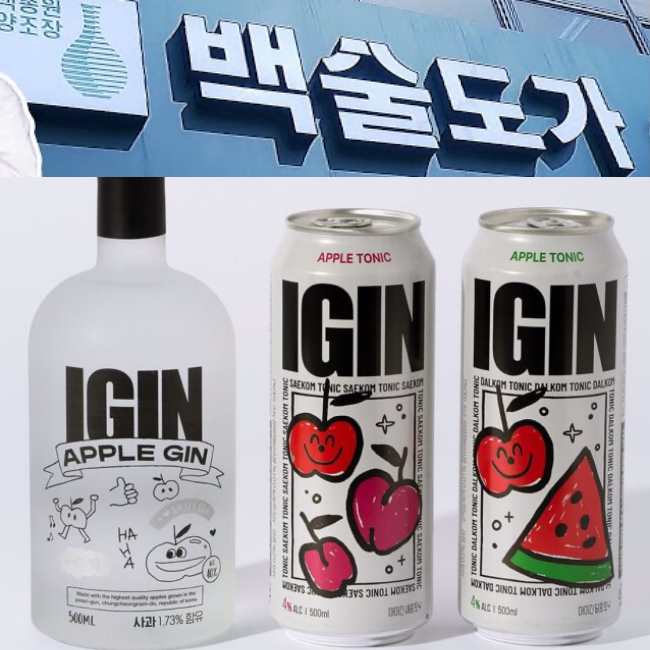
At the core of the case was the fact that some products used imported concentrates, while the physical product labels themselves accurately indicated the origin. The company’s only mistake lay in mistakenly listing the origin as domestic on certain online sales pages. Upon discovering the error, IGIN promptly issued an explanation and made corrections, leaving no lasting consequences.
At the time the complaint was filed, Jini’s Lamp continued to affirm its position, stating: “All products have been confirmed to fully comply with the regulations of the Ministry of Agriculture and the Ministry of Food & Drug Safety, and the product labels accurately indicate the origin. During the process of posting the products on the online sales page, the detailed information for other flavor variants was α¢¢ι∂єитally posted for a certain period. Immediate corrective actions have been taken.” The company also consistently maintained a cooperative stance with authorities throughout the investigation and clarification process.
After three months, this unnecessary controversy finally came to an end, restoring peace to Jin’s brand. Nevertheless, it also serves as a noteworthy lesson for the brand to learn from and to avoid similar mistakes in the future.
On the other hand, the incident highlights how brands operated by celebrities tend to be scrutinized more intensely than others. Some netizens following the case could not help but speculate whether there may have been negative intentions involved, including the possibility of attempts to damage Jin’s reputation—particularly in the period leading up to BTS’s return. Regardless, the conclusion remains that IGIN did not violate the law nor provoke any serious controversy.