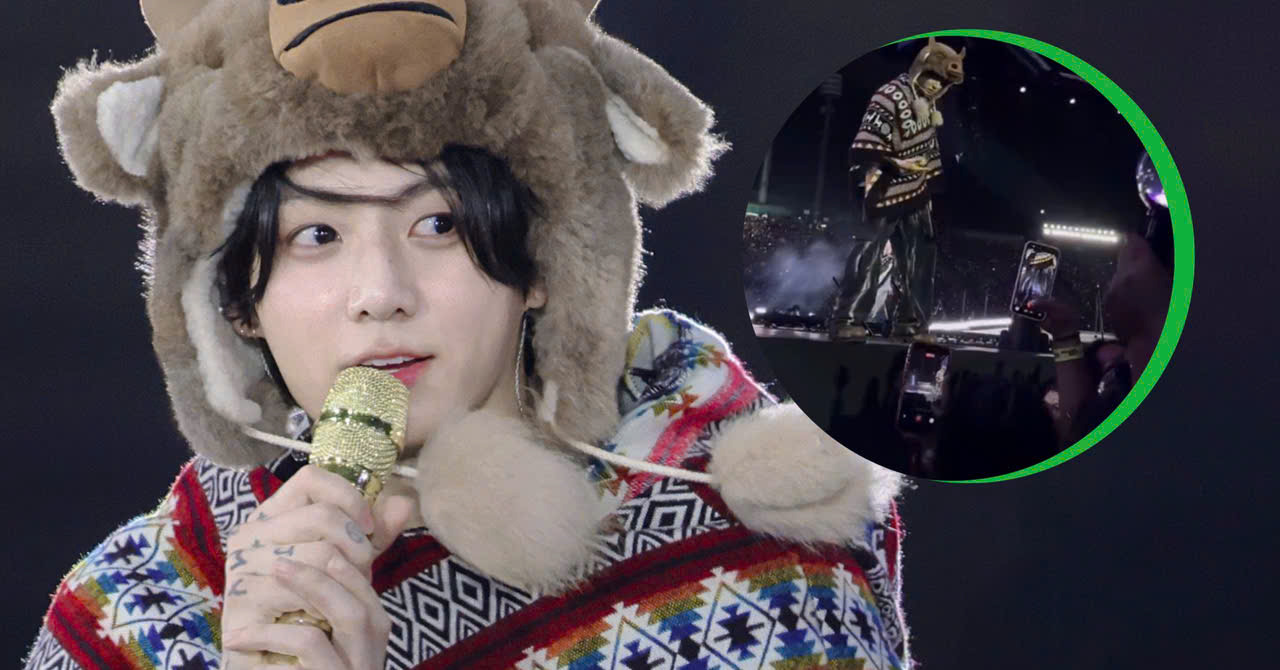
BTS will release their fifth full-length album, “Arirang,” on the 20th of next month and will hold a comeback concert lasting approximately one hour at 8 p.m. on the 21st at Gwanghwamun Square. The event will mark the first time BTS performs their new songs live, including the title track, and will also be the first time an artist stages a solo concert at Gwanghwamun Square — a symbolic space representing South кσяєα — marking yet another milestone in the nation’s cultural history.
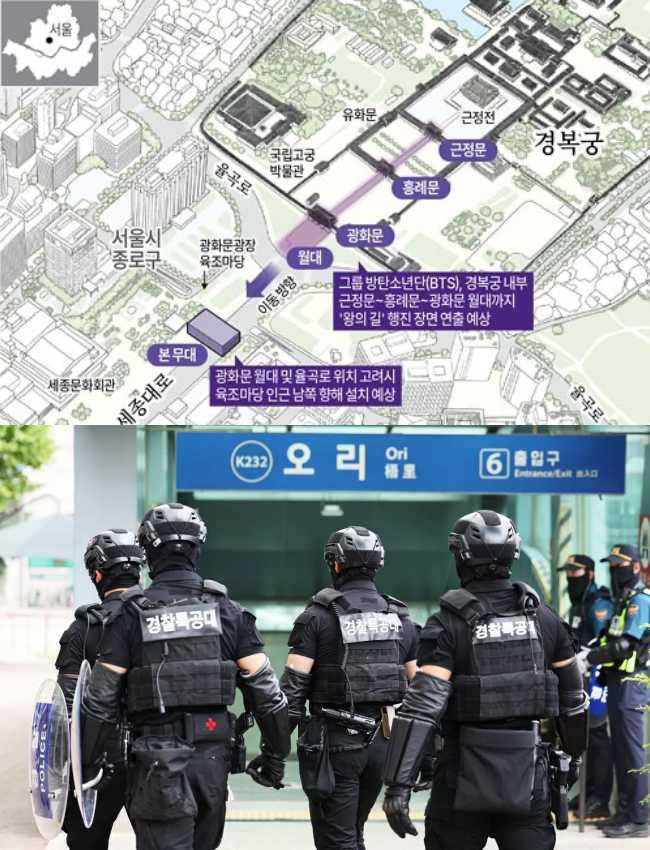
When general ticket sales opened on the 23rd, all 13,000 seats sold out immediately, with the online queue reaching 100,000 people. Police forecast that approximately 230,000 people will gather from the stage area to Daehanmun Gate (Deoksugung Palace), and up to 260,000 people extending toward Sungnyemun. Organizers are also discussing the installation of large screens near Seoul Plaza to help au∂ιєnces follow the performance.
On the day of the event, traffic around Gwanghwamun Square will be restricted, and depending on crowd density, some subway stations may skip stops. With all in-person tickets completely sold out, the concert will be broadcast live worldwide via Netflix.
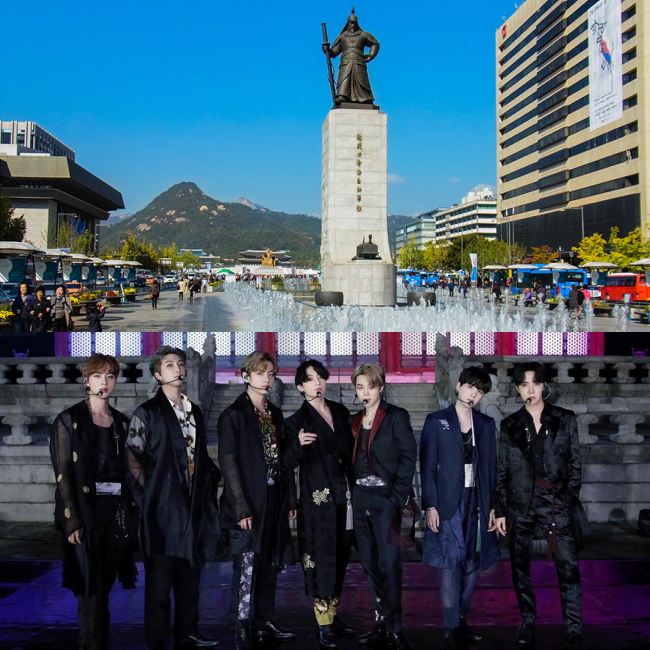
Amid the growing excitement surrounding BTS’s first full-group event since their return, rumors suddenly circulated claiming that the performance was facing obstacles from the Seoul city government and could even be postponed, causing public confusion. However, just hours after the rumors spread, a HYBE representative stepped forward to deny them and provide clarification.
Specifically, HYBE refuted claims that the performance duration had been shortened due to administrative regulations imposed by the Seoul Metropolitan Government, emphasizing: "The city of Seoul has never restricted the time. The decision for a one-hour performance was based on a combination of factors, including the nature of the outdoor public space, safety management, crowd control, transportation, and noise."
HYBE further stated: "The duration was decided to ensure a safe and smooth event, considering the unique nature of Gwanghwamun Square being in the heart of downtown Seoul." The company added, "We have comprehensively reviewed stage operations, spectator safety, and crowd control, taking into account the special environment of an outdoor public space."
Additionally, HYBE explained: "As this is an event attracting mαѕѕive crowds, we considered spectator safety, post-concert public transportation convenience, and minimizing late-night noise." They revealed that during this free public performance, BTS plans to perform not only new songs but also their past нιт tracks.
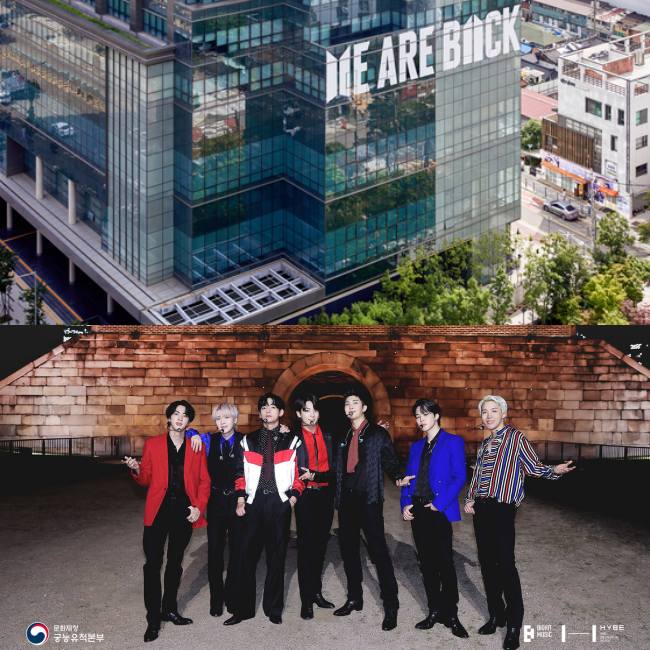
Another announcement from Gyeongbokgung Palace further reinforced this information. On the 2nd, the Palace and Tombs Headquarters under the кσяєα Heritage Service announced: “Gyeongbokgung Palace is scheduled to be closed on Saturday, March 21st.” This coincides with the date of BTS’s concert at Gwanghwamun. Traditionally, Gyeongbokgung Palace closes every Tuesday, but due to BTS’s schedule, adjustments were made, demonstrating cooperative flexibility.
Meanwhile, the Seoul Metropolitan Government has been actively reviewing the areas surrounding Gwanghwamun since early this month and preparing safety plans for the concert day.
Park Jeong-bo, Commissioner of the Seoul Metropolitan Police Agency, announced: “We have appointed the Deputy Commissioner for Public Safety as the head of a dedicated Task Force (TF) to ensure the event proceeds safely.” He emphasized, “We are comprehensively preparing for traffic management, crowd control, and the prevention of crimes involving foreigners. We will do our best to ensure safety by dividing roles between the city and the organizers.”
Although the event is still more than a month away, global attention has already turned toward Seoul since the announcement in early February. According to Booking.com data on February 8, even before ticket lotteries began, accommodations around the Gwanghwamun area were rapidly booked out, with average nightly rates ranging from 400,000 to 700,000 KRW (approximately 300–525 USD), and some areas already fully sold out.
Compared to the same period the previous month (February 20–21), prices increased on average threefold. In February, mid-range rooms were still priced at around 100,000 KRW (approximately 75 USD), while higher-end rooms ranged from 200,000 to 300,000 KRW (approximately 150–225 USD).
International flight prices and BTS-related searches also surged, indicating a wave of fans traveling to Seoul. According to Naver Flight data, the Bangkok–Seoul route typically costs between 120,000 and 150,000 KRW (approximately 90–113 USD) in March. However, closer to the concert dates (March 19–20), prices rose to between 190,000 and 220,000 KRW (approximately 143–165 USD) — an increase of about 60%. The Los Angeles–Seoul route also saw an average 40% increase, with one-way fares rising from 900,000–1,610,000 KRW (approximately 675–1,210 USD) to 1,290,000–2,210,000 KRW (approximately 970–1,660 USD).
Experts have described the event as a “mega-event” comparable to the Olympics or the FIFA World Cup!