With just one week left before BTS releases its fifth studio album, BigHit Music is pouring its full efforts into promotional plans during the final stretch. At 11 a.m. on the 13th, the company uploaded an animated film conveying the message of the new album on BTS’s official social media channels, creating a major stir among fans and the music community.
The video was inspired by a real historical event: the first recording of “Arirang” was made in Washington, U.S., in 1896. Based on this milestone, the project highlights BTS’s journey in helping promote кσяєαn culture to the global stage. BigHit Music explained the intention behind the production: "We wanted to tell the story of 'Arirang' to those who might not be familiar with it. We hope that many people will look up the lyrics and resonate with the unique кσяєαn emotions woven into the song."
Beyond what the company officially shared, netizens quickly began noticing a variety of intriguing details within the meaningful animated film and started interpreting them. As they examined these elements more closely, many viewers were left in αωє of the symbolism, cultural value, and historical significance hidden throughout the video.
1. Seven кσяєαns at Howard University in 1896
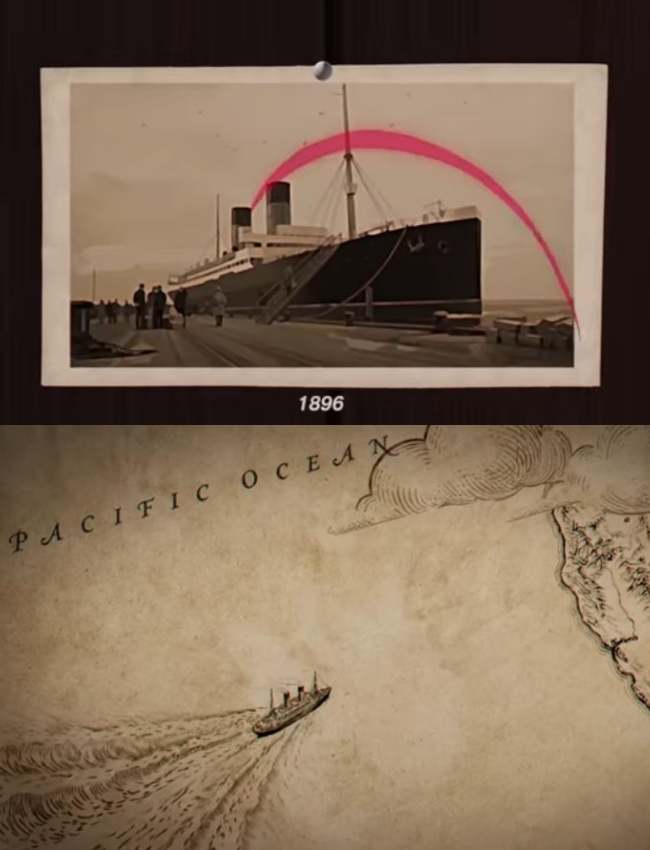
The video opens with the image of seven young men gathered around an antique phonograph in 1896. As the device is wound up, the melody of “Arirang”—the iconic кσяєαn folk song—begins to play, immediately drawing viewers in. The seven men then board a large ship crossing the Pacific Ocean, record the song in a distant land, and share it with local people there.
The scene then shifts to the modern era with BTS appearing on stage. Surrounded by a sea of shimmering purple lights in a stadium, the members perform pαѕѕionately amid the cheers of fans. The film concludes with BTS—artists who deliver hope and comfort through music—standing proudly before Gwanghwamun Square.
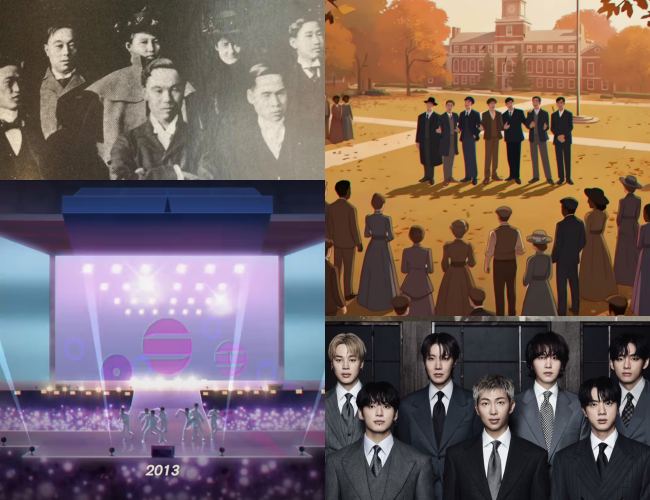
More than a century ago, seven young кσяєαns helped bring their culture abroad through a recording of “Arirang.” Today, another group of seven artists has introduced кσяєαn music to au∂ιєnces around the world and is even preparing to release a new “ARIRANG” to global listeners. This striking parallel has given fans goosebumps while also leading them to reflect on BTS’s seemingly “chosen” role in continuing that legacy.
At the same time, the way BTS weaves together the past and present in the film serves as a profound tribute to their cultural roots. BTS in 2026 appears as the inheritors of that legacy, carrying the “breath” of their ancestors while blending it into the flow of modern music.
2. The Red String
In the trailer, sound waves appear in red, which some fans believe is a reference to the red thread. In one transitional scene—shifting from the Howard Boys of 1896 to BTS performing at a concert in 2013—the red thread appears again, blending into the light.
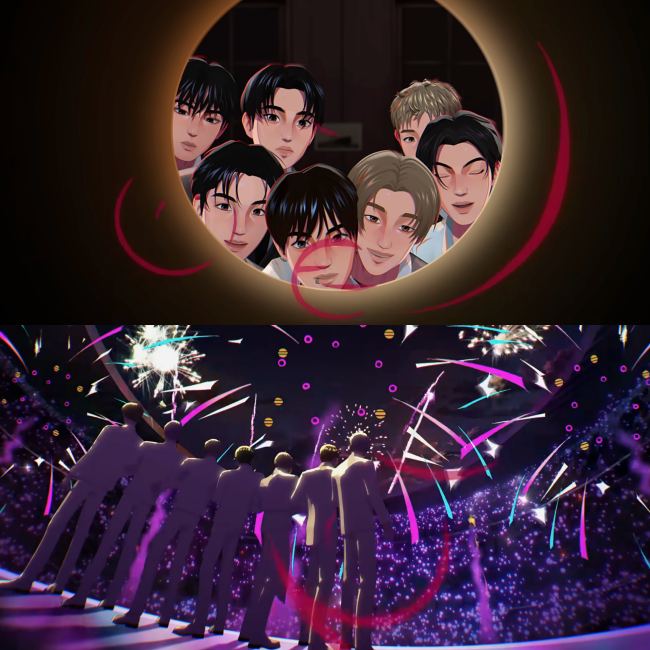
For those unfamiliar, the “BTS red string” is often linked to the cultural concept of the red thread of fate. Many ARMY interpret it as a symbol representing the bond among the seven members as well as the connection between BTS and their fans.
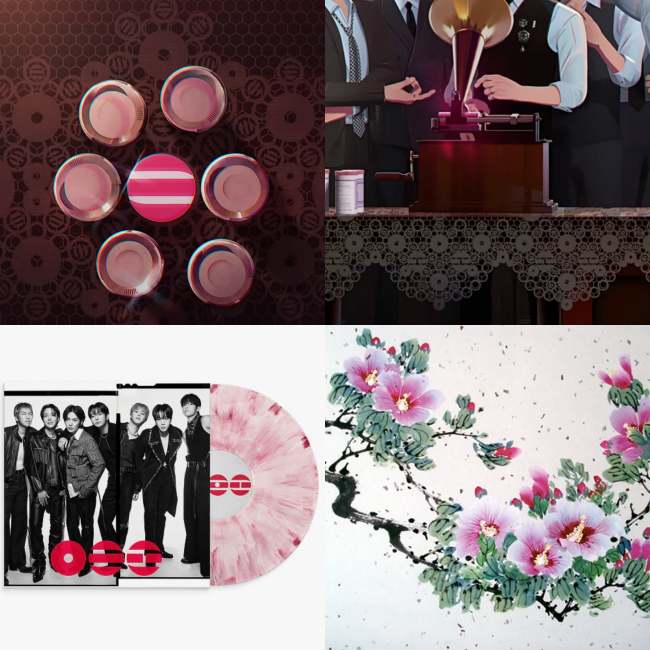
3. The Mugunghwa Colors on the Vinyl Records
Another detail appears in the design of the vinyl versions. When fans placed the colors of the different vinyl editions side by side, the palette resembled the colors of the Mugunghwa flower.
The Mugunghwa is widely recognized as a symbol of resilience and кσяєαn identity, adding another cultural layer to the album’s visual concept.
4. The Cruise Ship
The mysterious “Arirang cruise” mentioned earlier now appears to have been carefully staged. In past centuries, кσяєαn music often spread abroad by sea routes. Because of this historical reality, the image of seven figures crossing the ocean becomes highly symbolic. Fans interpret the scene as representing artists who carry their culture beyond their homeland while still preserving their roots.
5. The 130-Year Timeline
The year 2026 marks 130 years since the 1896 recording referenced in the teaser. Some fans have even taken the interpretation further. Counting backward 130 months from March 2026 leads to May 2015.
That moment holds special significance in BTS’s career because it marked the beginning of the era of The Most Beautiful Moment in Life, Pt. 1. During that time, the seven-member group achieved its first major music show win with the song I Need U.

6. The Phonograph Cylinder
Before modern recording technology existed, early audio recordings were stored on phonograph cylinders. These rotating cylinders were used in early recording devices. As the cylinder spins, a stylus reads the grooves to produce sound.
Some of the earliest preserved recordings of кσяєαn songs—including “Arirang”—were captured using this technology. Because αмєяι¢αn researchers at the time did not know what “Arirang” was, they labeled the wax cylinder: “Love Song: Ar-ra-rang.”
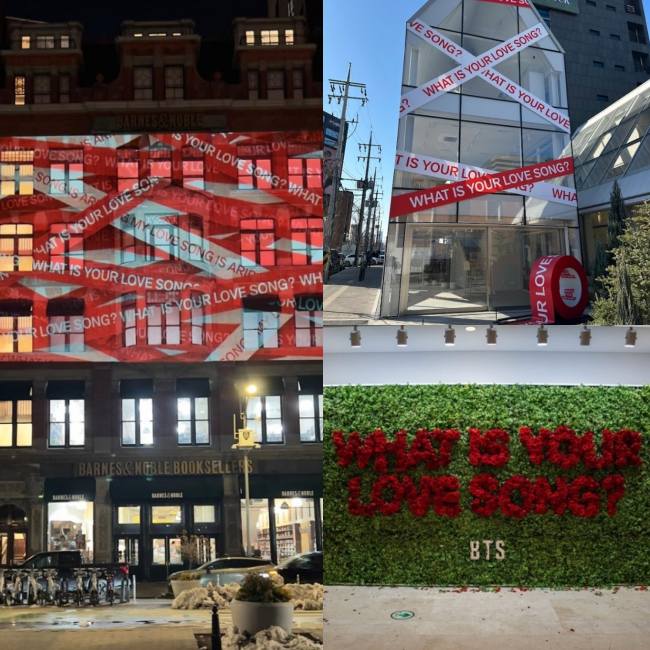
By this point, fans began to realize the remarkable logic behind the campaign “What’s your love song?” that BigHit Music and BTS have been running since the beginning of the year.