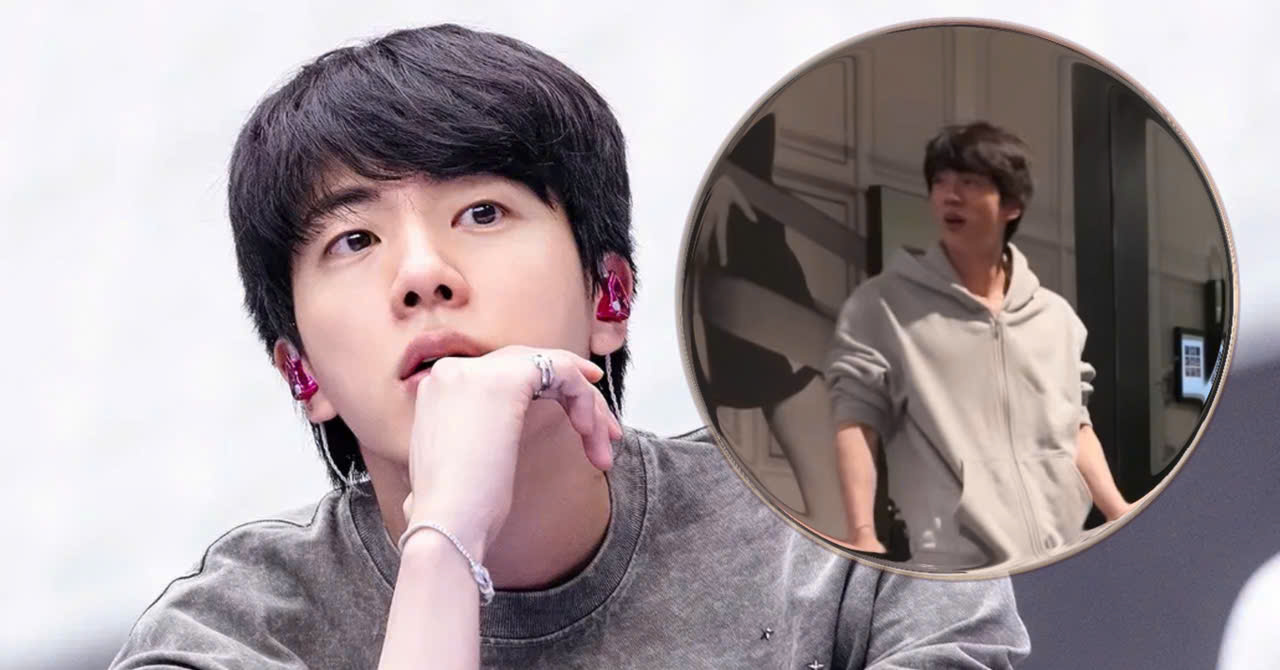
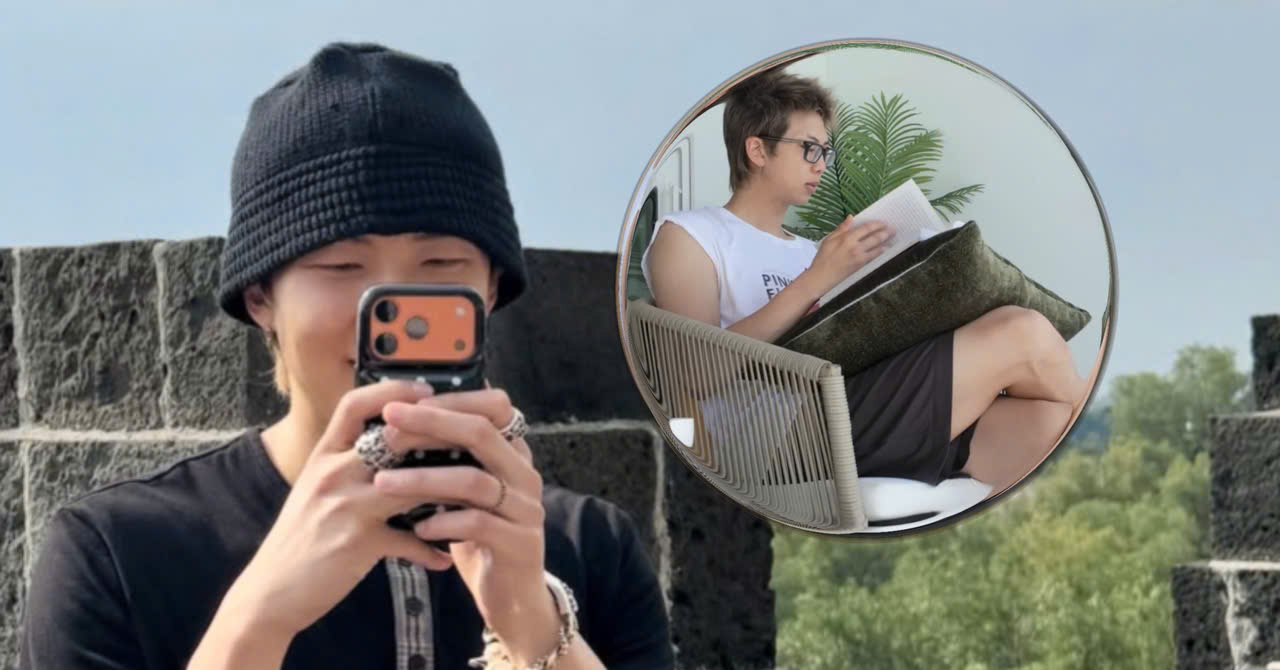
While Western cultures—particularly in the United States and Northern Europe—tend to emphasize individualism, Eastern cultures are generally rooted in collectivism. In many Asian countries, the family continues to play a central role in each person’s life. Major life decisions—from career paths and romantic relationships to everyday lifestyle choices—are sometimes not just an individual matter but are also closely tied to the wishes and expectations of the entire family.
Within this context, listening to and respecting one’s parents is not only considered a family responsibility but also a social and moral standard. Parents’ opinions often carry significant weight, sometimes even more than personal desires. However, this does not always carry the negative connotation that many people might αѕѕume. In many cases, parental advice simply offers a more mature perspective that helps children reconsider their own choices.
The experiences of the members of BTS reflect this dynamic to some extent. Despite being global superstars with independent lives and remarkable success, they continue to show deep respect for their families. What is particularly notable is that the changes in their decisions did not come from pressure or coercion, but rather from the members themselves reflecting on their parents’ advice and realizing that it made sense.
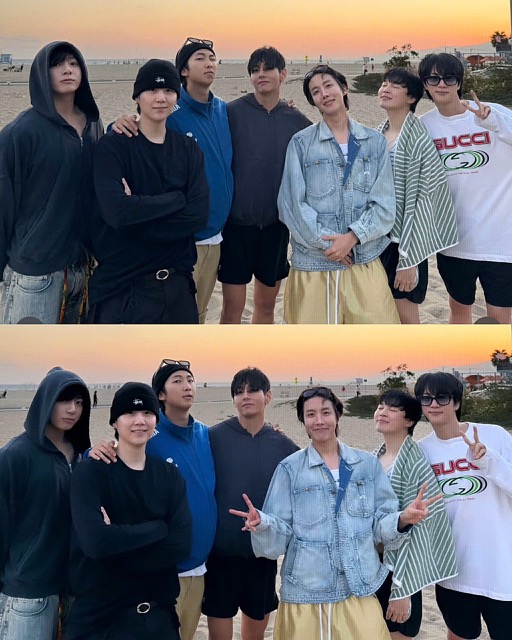
One of the most interesting stories related to family influence involves SUGA. In his most recent interview with GQ magazine, fans and fellow BTS members discussed how his style has evolved in recent years. j-hope even commented that his style has become a bit more “rock” inspired, especially when it comes to his hair.
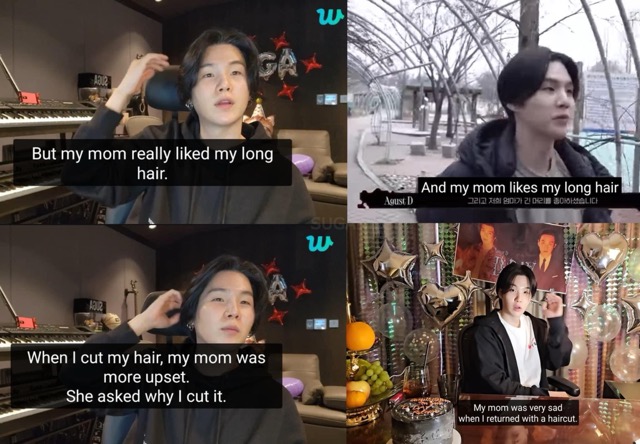
At that point, SUGA revealed that his style began to change about three years ago, and a major reason behind this shift was that his parents liked him with longer hair. SUGA said: “The reason I grow out my hair is because my parents like it. That’s really the only reason. My mom always liked my hair longer.” He then added that when his parents saw him with his head shaved during his military service, his father commented, “Long hair suits you better.”
In a previous live broadcast, the rapper also spoke quite candidly about the topic, admitting that he personally does not care much about whether his hair is long or short. However, his mother especially likes his long hair—so much so that, in his words, “She was very sad when I cut it.”
Even when j-hope responded, “Oh for real? Can’t say no to mom,” SUGA could only laugh helplessly before sharing a humorous anecdote: “People were telling me getting a haircut was a good idea so I told them my mom liked the long hair and they said — you looked good with long hair too.”
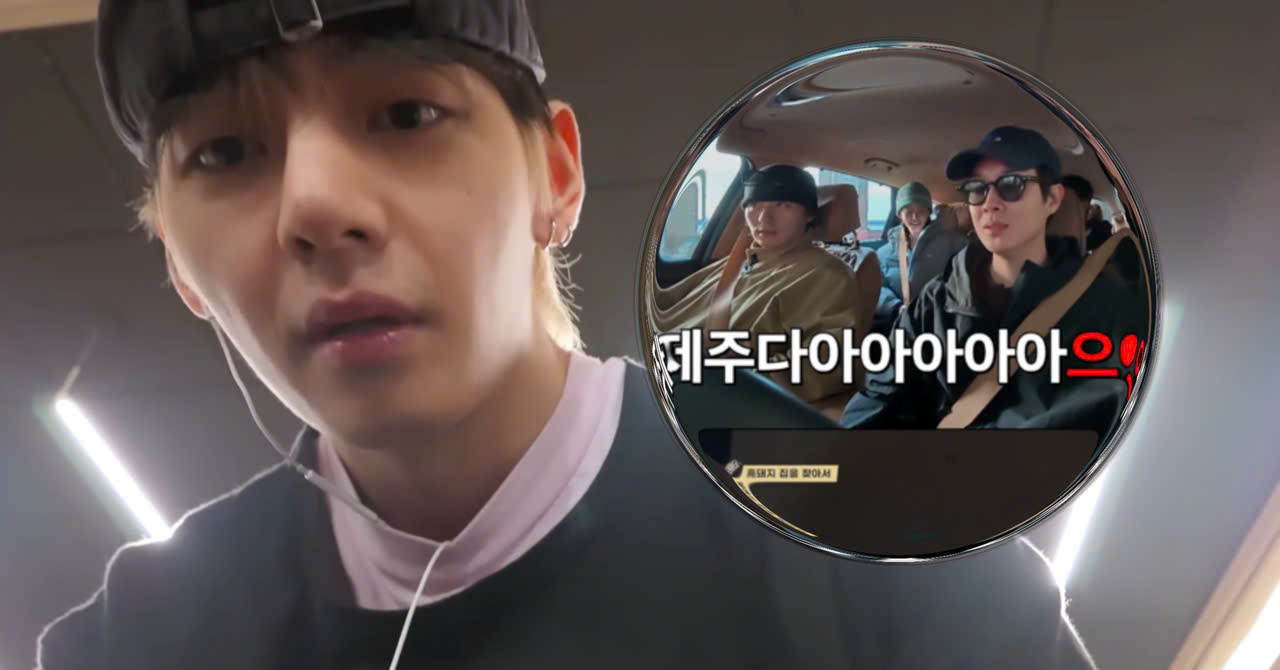
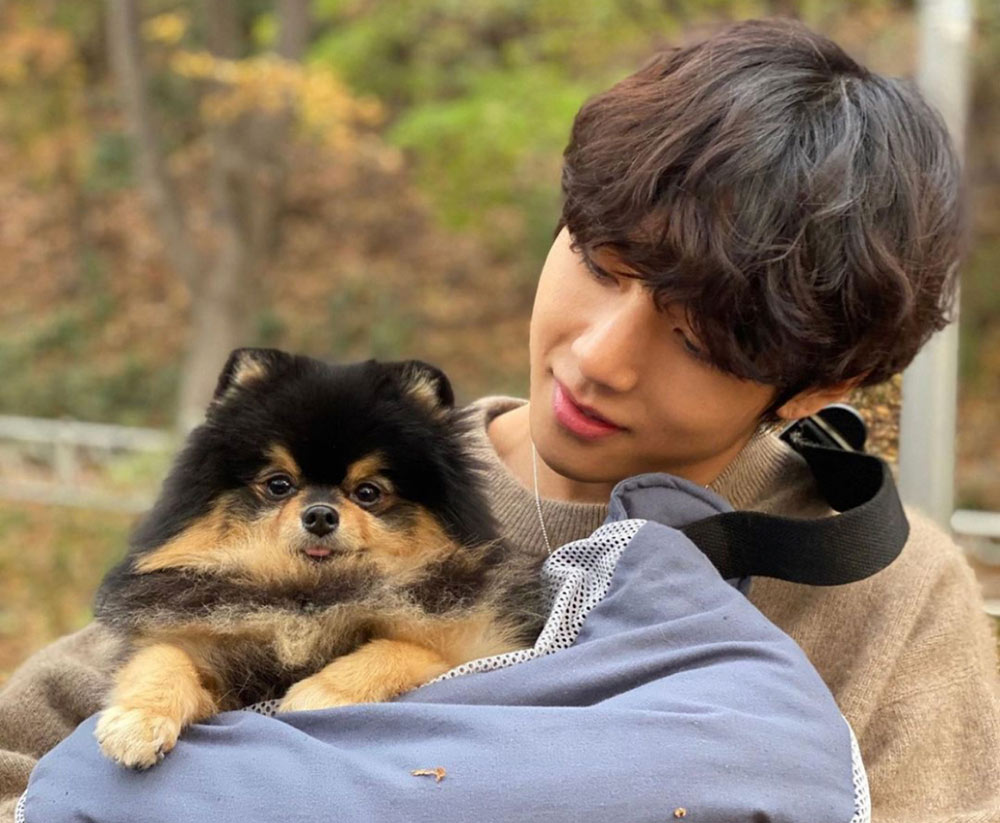
Meanwhile, V’s story with his parents is connected to his love for his famous dog, Yeontan. The late Yeontan and V shared such a special bond that many fans admired—and even envied—their closeness. However, because of his busy schedule and frequent travel, V sometimes worried that Yeontan might feel lonely when left alone at home. Because of that, he once considered getting another pet to keep the little dog company.
His mother was quite enthusiastic about the idea and agreed that it would be nice for Yeontan to have a companion. However, V’s father did not want to adopt another dog. He was concerned that it would be difficult to divide love and care among multiple pets, especially since Yeontan was not in the best health. He wanted the family’s affection—as well as V’s attention—to be fully devoted to the small dog.
Caught between his parents’ differing opinions, V found himself in a difficult position. In the end, however, he chose to follow his father’s advice and did not get another pet. Until the very end of Yeontan’s life, V devoted most of his time and attention to his one beloved dog.
While the stories of SUGA and V revolve around everyday life choices, RM’s case touches on a much bigger decision: marriage!
As he entered his thirties, the leader of BTS began thinking more seriously about love and marriage. In an episode of the program The Dictionary of Useless Knowledge, he once pointed out that people born in the 1990s often have a somewhat skeptical view of marriage. The trend of remaining single or choosing not to marry has been gradually becoming more common in South кσяєα as well as in many other countries.
RM admitted that in recent years he had started to wonder whether he might never get married. He shared: “Can such a thing happen in my life? Before, I thought it was a natural process, but a few years ago, I thought, ‘Maybe I won’t get married?’”
During a live broadcast last October, RM also mentioned that marriage can sometimes come with significant pressure. In his view, no one can be certain whether marriage truly resolves the emotional questions people face in life.
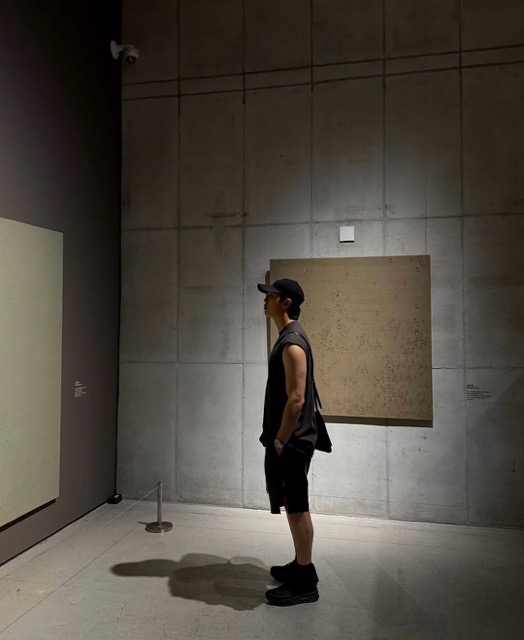
However, around that same time, he said that his concept of marriage had changed quite a bit—particularly after seeing the happiness of his parents. RM shared, “When my parents were my age, they were already married and had a three-year-old child,” and added, “My parents went to school together from elementary school, dated for nine years, and lived just five minutes apart. Seeing my parents like that, I naturally thought that I’d get married too.”
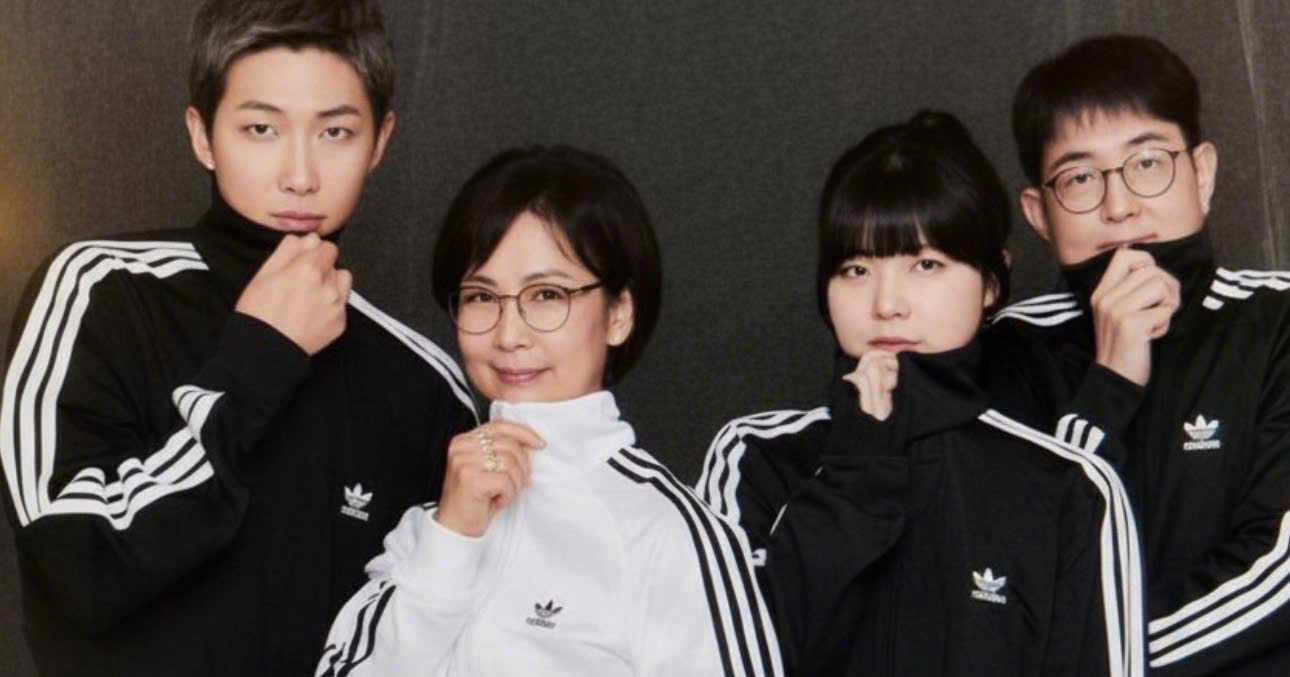
Looking back at these stories, it becomes clear that the relationship between the BTS members and their families is not simply about unconditional obe∂ιєnce. Instead, it reflects an ongoing dialogue and thoughtful consideration between generations.
Ultimately, these stories reveal the warm and positive relationships between the BTS members and their parents. While the idols may have once defied their parents in their teenage years or early twenties in order to pursue the risky path of becoming artists, now that they are global superstars in their thirties, many of their decisions are still influenced by their families. In many ways, they remain their parents’ children.
Growing one’s hair out to make a mother happy, deciding not to adopt another pet in order to focus on caring for a fragile dog, or even reconsidering marriage after observing one’s parents’ relationship—these moments all show one thing: parents’ advice can still carry special value.
But the important point is that this is not simply blind obe∂ιєnce. Rather, it is a process of dialogue, reflection, and deep affection between generations!