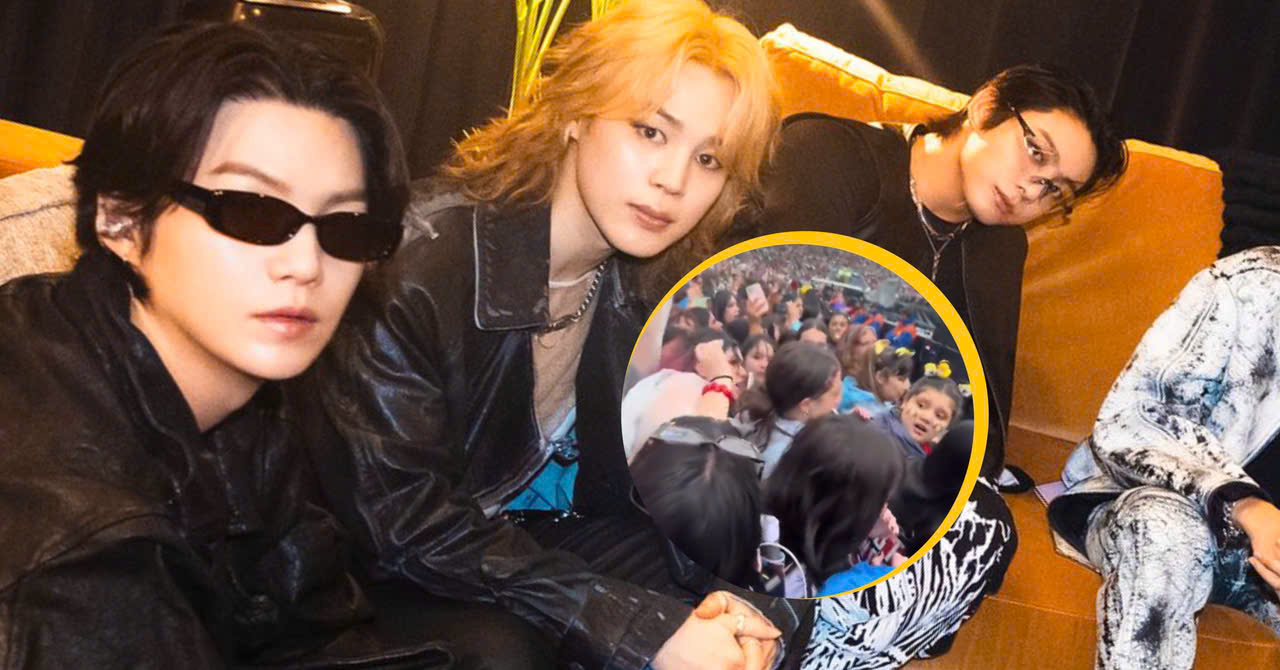
SUGA's investment in Elon Musk's SpaceX, which was revealed by South кσяєαn media in June this year, quickly became a major talking point in the global capital market. According to industry analysts, SUGA joined SpaceX as an early-stage investor while the aerospace company was still privately held. Given the company's remarkable growth over the years, market experts estimate that SUGA's investment could now be worth as much as 40 times its original value.
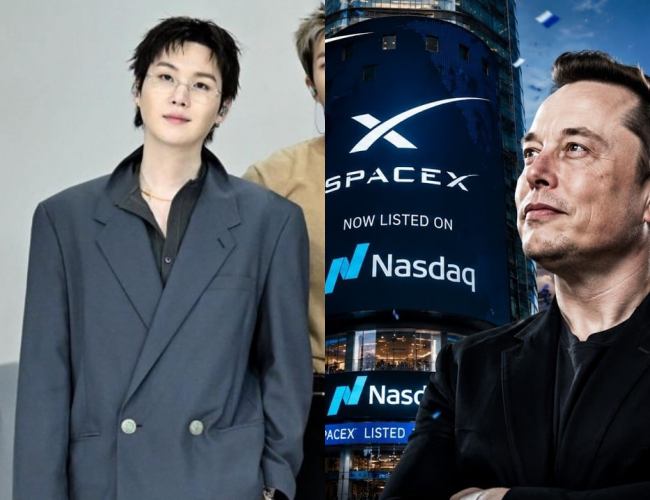
Clearly, the investment has proven to be an exceptionally successful long-term decision, reflecting SUGA's sharp vision in recognizing that Elon Musk's ambitions extended far beyond what once seemed like science fiction. At the same time, many people also saw that SUGA's investment strategy was remarkably bold and fundamentally different from the investment choices typically made by South кσяєαn celebrities.
Traditionally, K-celebrities have preferred to invest in αѕѕets regarded as "safe," with real estate being the most common choice. Many celebrities purchase luxury apartments, commercial buildings, or land in affluent districts such as Gangnam, Hannam-dong, Cheongdam-dong, and Seongsu-dong, either to generate rental income or to sell later for a profit. Well-known figures who have built significant real estate portfolios include Rain, Jun Ji Hyun, IU, G-Dragon, and even some BTS members.
So why did SUGA choose a completely different path? In an analysis titled "Why BTS’s SUGA Invested in 'Space' Over Real Estate," Segye Ilbo argued that SUGA's wealth strategy has never been driven solely by the pursuit of high returns. Instead, the rapper has built his investment philosophy around long-term value rather than short-term market fluctuations or herd mentality. The newspaper described this philosophy as "the law of patience"—remaining steadfast through market volatility and waiting until an αѕѕet's intrinsic value is ultimately proven.
Many South кσяєαn celebrities favor investing in luxury real estate and commercial buildings to accumulate wealth, but such investments also tie up large amounts of capital while creating substantial financial burdens through taxes, maintenance costs, and other expenses. To look no further than his own group, j-hope—BTS’s most savvy real estate investor who once owned up to four properties valued at a total of around 270 billion KRW—had to sell one of them in March 2025 due to an additional tax rate hike of 20% to 30%. To put that into perspective, that extra tax alone was equivalent to the annual salary of an employee at a major corporation.
.jpg)
In contrast to this trend, during the early years after moving out of BTS's shared dormitory, SUGA chose to live in a luxury apartment under кσяєα's jeonse system—a unique housing arrangement in which tenants provide a large security deposit instead of paying monthly rent. This allowed him to enjoy a high-end residence while keeping nearly all of his capital liquid and readily available to seize investment opportunities anywhere in the global market. According to Segye Ilbo, this emphasis on liquidity ultimately enabled SUGA to participate in the SpaceX investment.
Not stopping at SpaceX, SUGA also invested in the Major League Baseball (MLB) team, the Athletics, through an investment fund managed by Team 61—a firm founded by baseball legend Park Chan-ho. The fund is valued at approximately $70 million, featuring contributions from various other investors. This move further demonstrates SUGA’s strategy of building a diversified portfolio rather than concentrating his assets in a single class.

According to Segye Ilbo, SUGA's ability to make such bold, long-term investment decisions stems largely from a strict risk management mindset that he developed early in life. From the hardships he endured at the age of 13 in an underground recording studio in Daegu, to the years he silently endured a shoulder injury as a trainee before eventually becoming a global icon, SUGA gradually developed his core belief of "Never overestimate the future" evolved into an investment philosophy centered on diversifying risk and securing tangible αѕѕet value.
The newspaper argues that the same philosophy is consistently reflected in SUGA's approach to music. Rather than limiting himself to songwriting, he has maintained his perfectionist standards by personally handling technically demanding MIDI programming and mixing while studying harmony in depth. His relentless work ethic, driven by personal conviction rather than the pursuit of easy money, has become the foundation of both his worldwide musical success and his achievements as an investor. The music he has created has evolved into a lasting cultural αѕѕet whose value continues to grow over time.
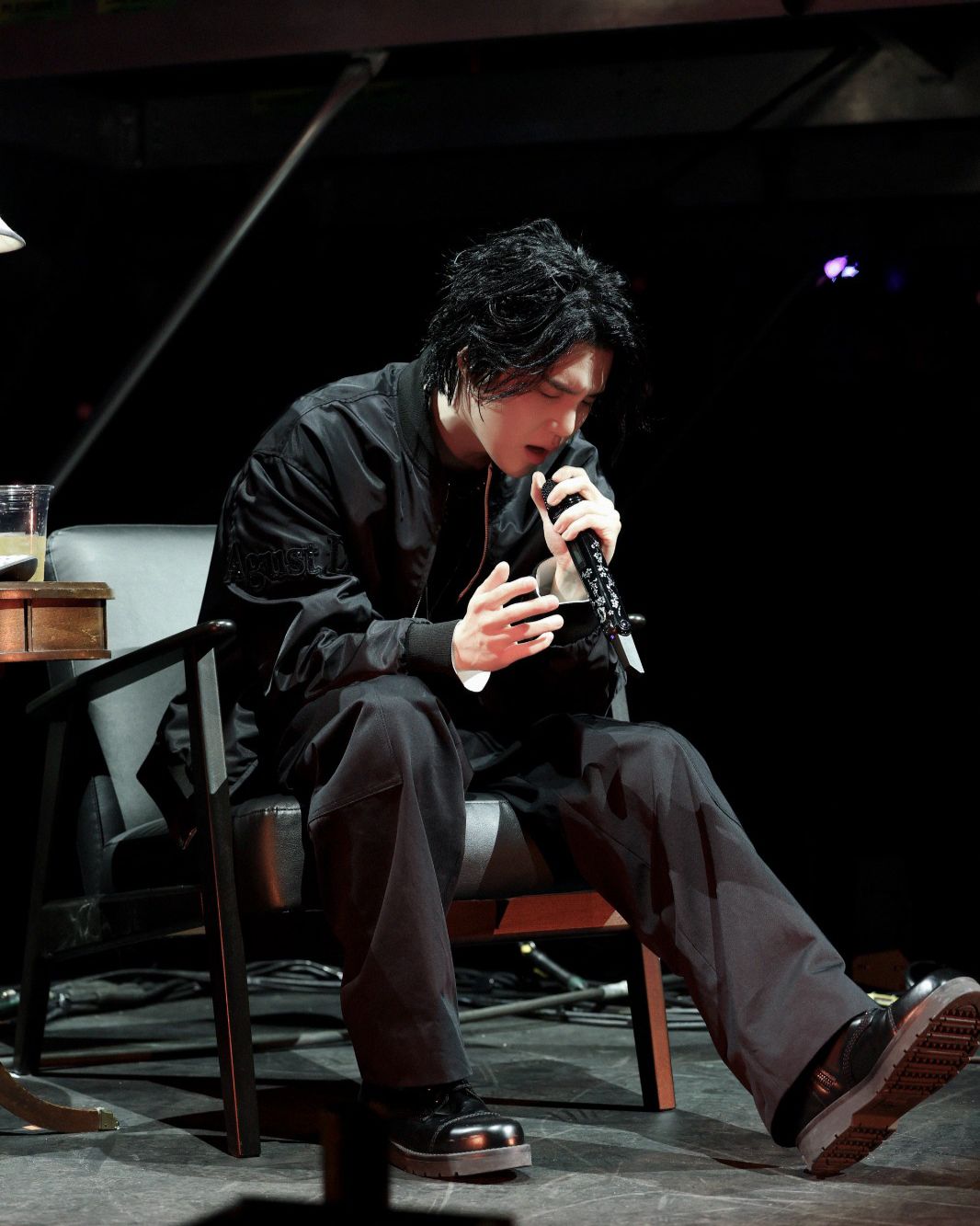
That proven value has also been transformed into a system that helps address unmet social needs. Beyond donating 5 billion won toward establishing the Min Yoon-gi Treatment Center at Severance Hospital, SUGA also co-authored the MIND Program, a music therapy manual designed for children with autism spectrum disorder, and volunteered to teach music directly to children at the center. These efforts demonstrate that he is not simply a wealthy investor, but rather a thoughtful planner who remains deeply engaged with real-world challenges and personally works to develop meaningful solutions.

Concluding its analysis, Segye Ilbo wrote that just as the music he creates does not chase trends but conveys narratives that transcend time, his capital also flows toward intrinsic growth rather than immediate gains. Ultimately, for SUGA, investing is not merely a tool for multiplying wealth, but another form of composition—one through which he manifests the life philosophy he strives to prove in the physical world.