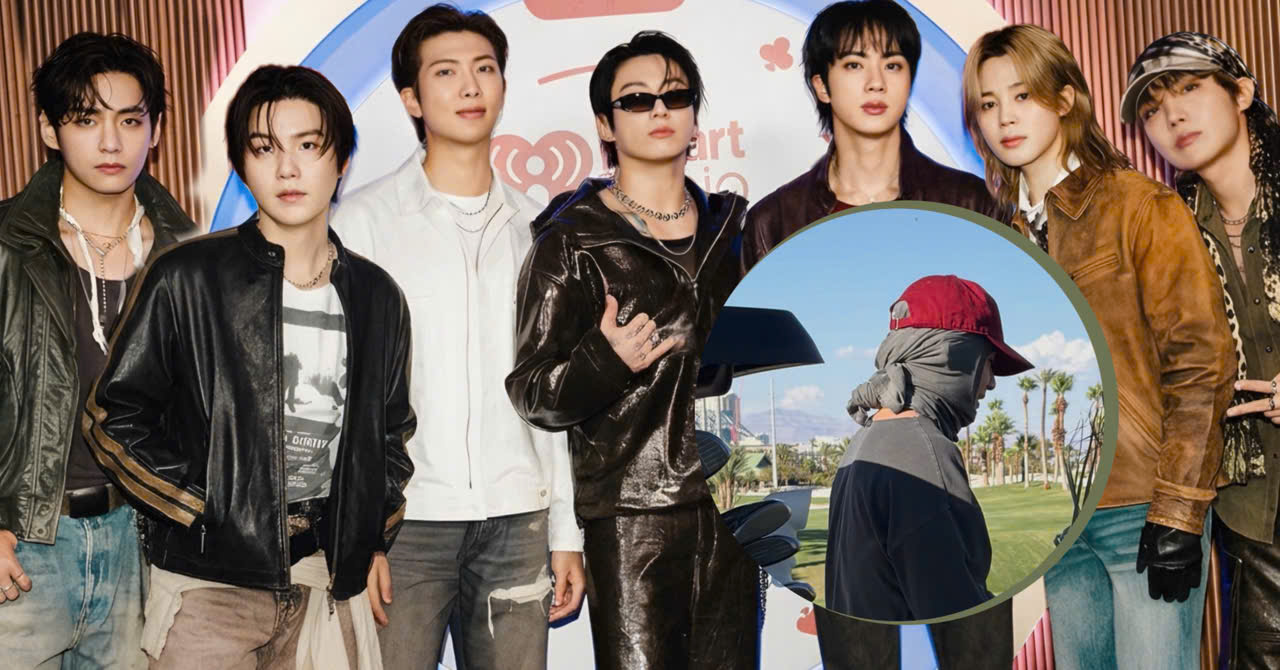
BTS’s comeback concert at Gwanghwamun concluded with resounding success, drawing more than 100,000 attendees in person and hundreds of millions of viewers online via Netflix. Broadcast live to 190 countries worldwide, the event has been widely credited with elevating the cultural standing of Seoul and South кσяєα, creating a global sensation.
As of the 22nd, according to FlixPatrol, the live broadcast “BTS Comeback Live: Arirang” on Netflix ranked No.1 in the TV Shows category, topping charts in 77 out of 93 countries. The program secured the No.1 spot in major markets including the United States, the United Kingdom, fяαи¢є, Germany, and נαραи. Meanwhile, the album “Arirang” is currently dominating the charts, topping most major music platforms.
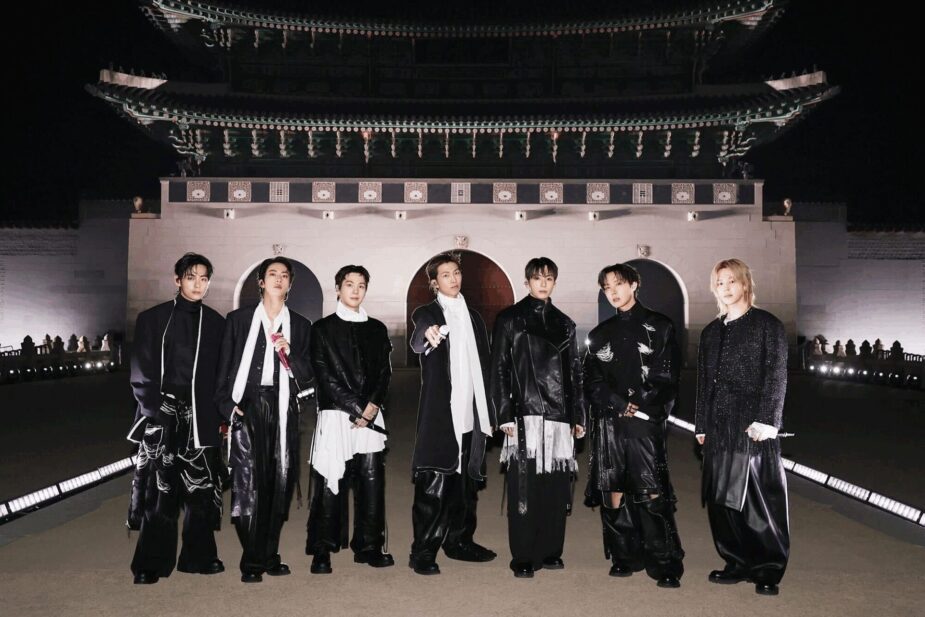
However, what has captured the greatest attention from both local residents and fans in recent days is the fact that BTS generated an economic impact worth trillions of won from a single concert at Gwanghwamun. кσяєαn media have dubbed this phenomenon the beginning of “BTS-nomics 2.0.”
According to estimates by Money Today, applying the input-output analysis мєтнod of the кσяєα Culture & Tourism Institute (KCTI), the economic effect generated by BTS’s comeback performance reached 1.453 trillion won (approximately $1.1 billion). This figure includes 408.1 billion won in direct consumer spending, 697 billion won in production-inducing effects, and 345.2 billion won in value-added effects, while the employment-inducing effect is estimated at 5,917 jobs.
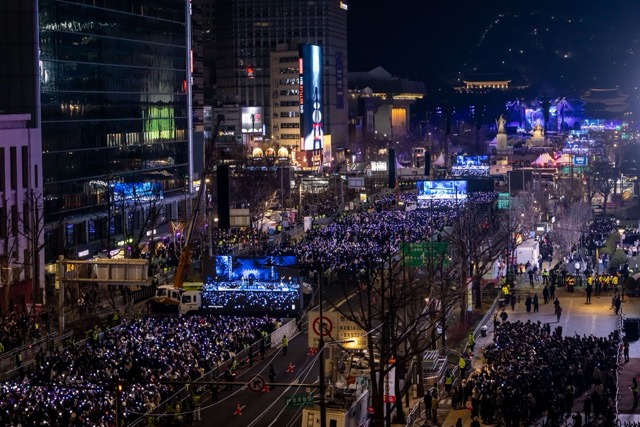
In reality, even before the concert, five-star hotels near Gwanghwamun Square were fully booked well in advance, and business-clαѕѕ hotel rates surged to two to four times their usual levels. Some accommodations near Anguk Station saw room prices soar to as high as 500,000 won per night. Data also show that searches related to travel to South кσяєα spiked immediately after news of the Gwanghwamun concert broke—rising by 155%, with Taiwan, Hong Kong, and the United States leading the surge.
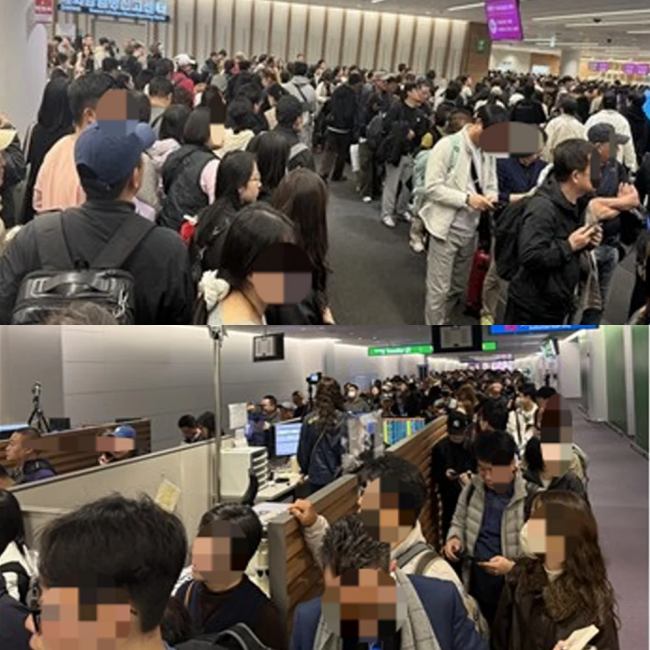
Subsequently, according to the кσяєα Immigration Service (Ministry of Justice), from March 1 to 18, a total of 1,099,700 foreign visitors entered South кσяєα, marking a 32.7% increase year-on-year. Among them, teenagers (up 39.9%) and people in their 20s (up 35.2%) accounted for the most notable growth.
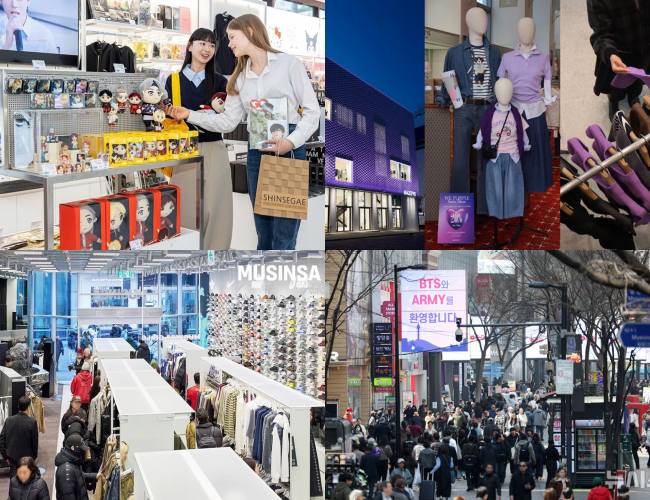
Notably, convenience stores and retail businesses experienced the most dramatic consumption boom, with sales increasing anywhere from 10 to 300 times compared to normal levels. The mαѕѕive crowds concentrated around Gwanghwamun even spread to nearby areas such as Myeong-dong, driving a simultaneous surge in revenue across multiple sectors.
For example, Musinsa Standard Myeong-dong saw transactions from foreign customers jump 43% year-on-year over the weekend of March 20–21, while visitor numbers this month rose by 30%. Musinsa Store Myeong-dong recorded over a 20% increase in transactions compared to the previous weekend (March 13–15). Meanwhile, Hazzys’ flagship store “Space H Seoul” in Myeong-dong reported that customer traffic on March 20 and 21 tripled compared to ordinary days.
Duty-free shops and K-pop specialty zones also enjoyed strong performance. At Shinsegae Duty Free Myeong-dong, the “K-WAVE Zone” on the 11th floor saw revenue on March 20–21 increase by approximately 50% compared to the previous week. Items such as BTS keychains and jigsaw puzzles repeatedly sold out and required continuous restocking.
Total revenue for fashion brands (both domestic and international) from March 13–19 rose by 130% compared to the previous week. Notably, Calvin Klein (represented by Jungkook) saw a 240% increase, while Snow Peak (represented by V) recorded a 42% rise.
The beauty industry also clearly felt the impact. Revenue from 12 Olive Young stores around the Gwanghwamun area increased by 16% from March 16–21 compared to the previous week. Despite some stores near the square having to close or shorten operating hours on the day of the event (March 21) due to overwhelming crowds, overall revenue still rose by more than 15%.
The fervor of “BTS-nomics 2.0” witnessed in Gwanghwamun is expected to continue spreading through the group’s upcoming world tour, which includes 82 performances across 34 cities worldwide, beginning next month at the Goyang Sports Complex. A Bank of кσяєα official stated, "With BTS's overseas performances scheduled, we expect the trade surplus to expand significantly. While the exact figures remain uncertain, we anticipate it could more than double compared to last year."
This does not even account for the intangible values and benefits that cannot be measured in monetary terms. As Deputy Prime Minister for Economic Affairs Koo Yun-cheol stated: “The economic value is expected to reach trillions of won. The invisible ripple effects will be even greater.” Meanwhile, veteran entertainer Park Myung-soo remarked, "Think of the immense national prestige they've built. Gwanghwamun is being broadcast to 196 countries; that value is immeasurable in monetary terms. This is soмєтнing only BTS can achieve. I am incredibly proud, and I believe everyone joined in the celebration."