K-pop is a fiercely competitive “market” in which artists are the “products” and fans are the “consumers.” Every year, countless new idol groups debut, bringing striking visuals and diverse talents, creating a level of competition comparable to any other industry. Therefore, for a group to sustain longevity is no easy feat. The history of K-pop shows that a group’s lifespan typically lasts only about five to seven years after debut, often failing to maintain its original lineup or losing the peak success it once had.
For instance, in just the first three months of this year, K-pop has already witnessed the departure of a number of idols from third- and fourth-generation groups. The biggest and earliest ѕнσ¢к of 2026 was Heeseung leaving ENHYPEN while remaining with the company. Notably, this year marks the group’s sixth anniversary, inevitably reminding fans of the infamous “seven-year ¢υяѕє” in K-pop.

Following that, in just the past three days, SM has seen the departure of two NCT members, Mark and Ten. Mark has officially left the NCT system, including NCT 127 and NCT DREAM, while Ten, although leaving SM, will continue activities with NCT and WayV. Both the artists and SM have stated that these decisions were carefully considered but they still came as a major ѕнσ¢к to fans.

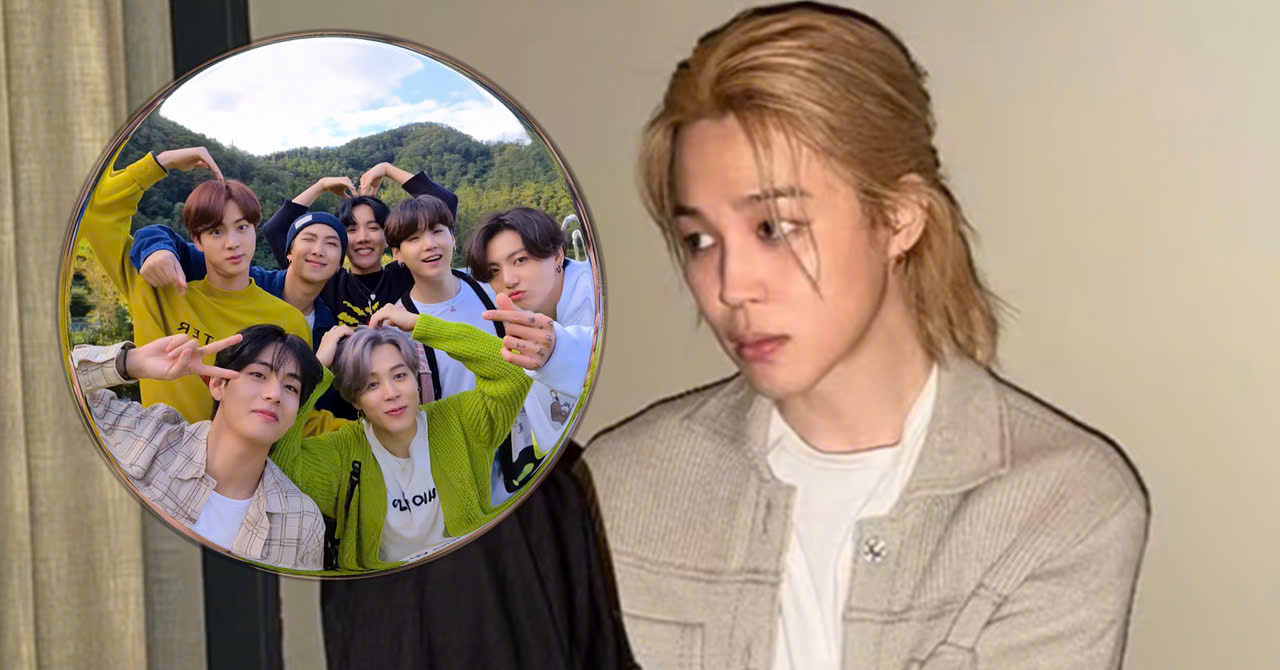
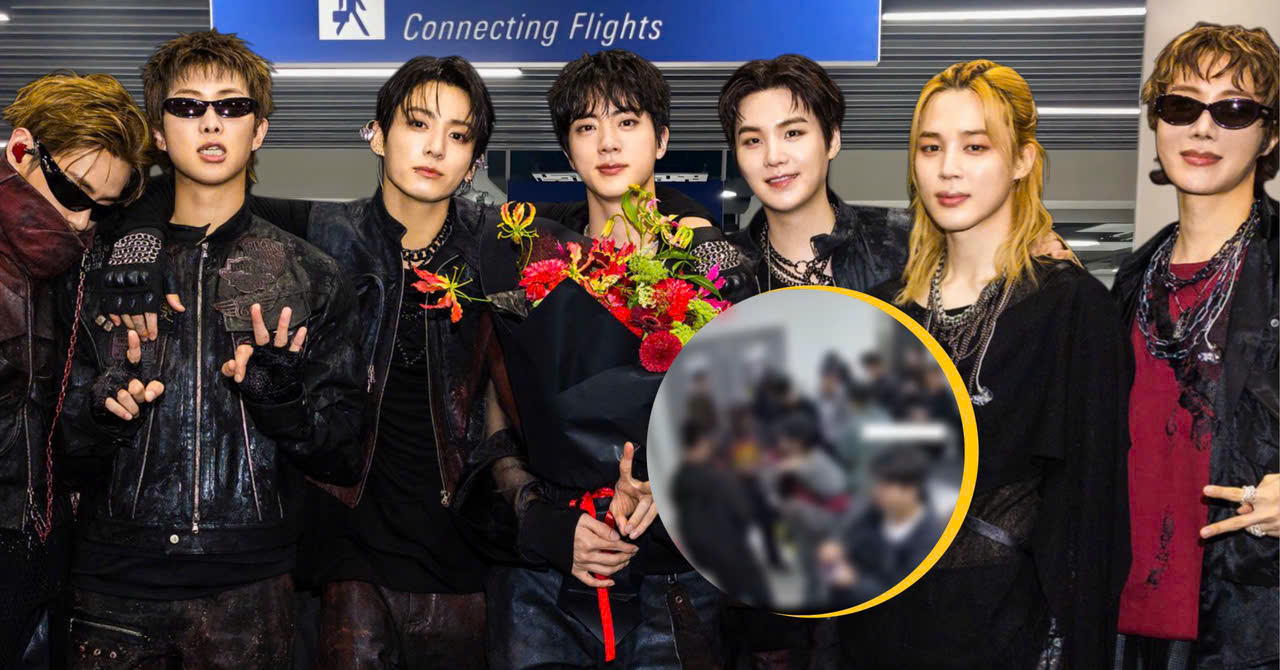
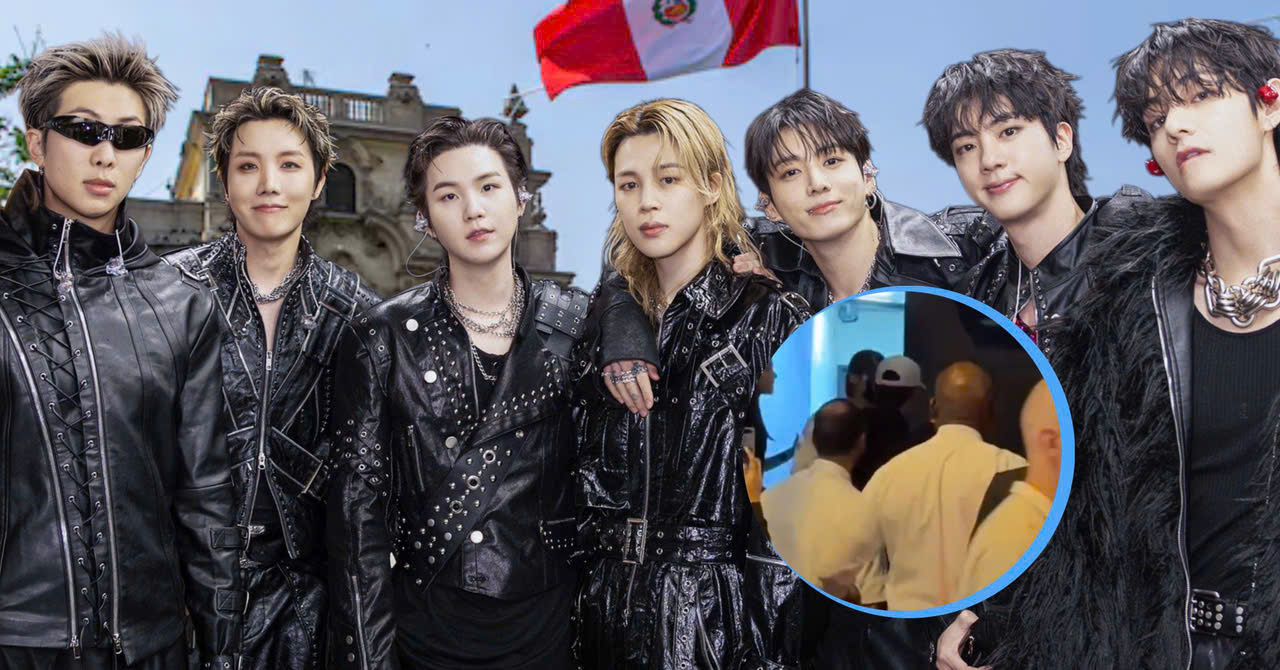
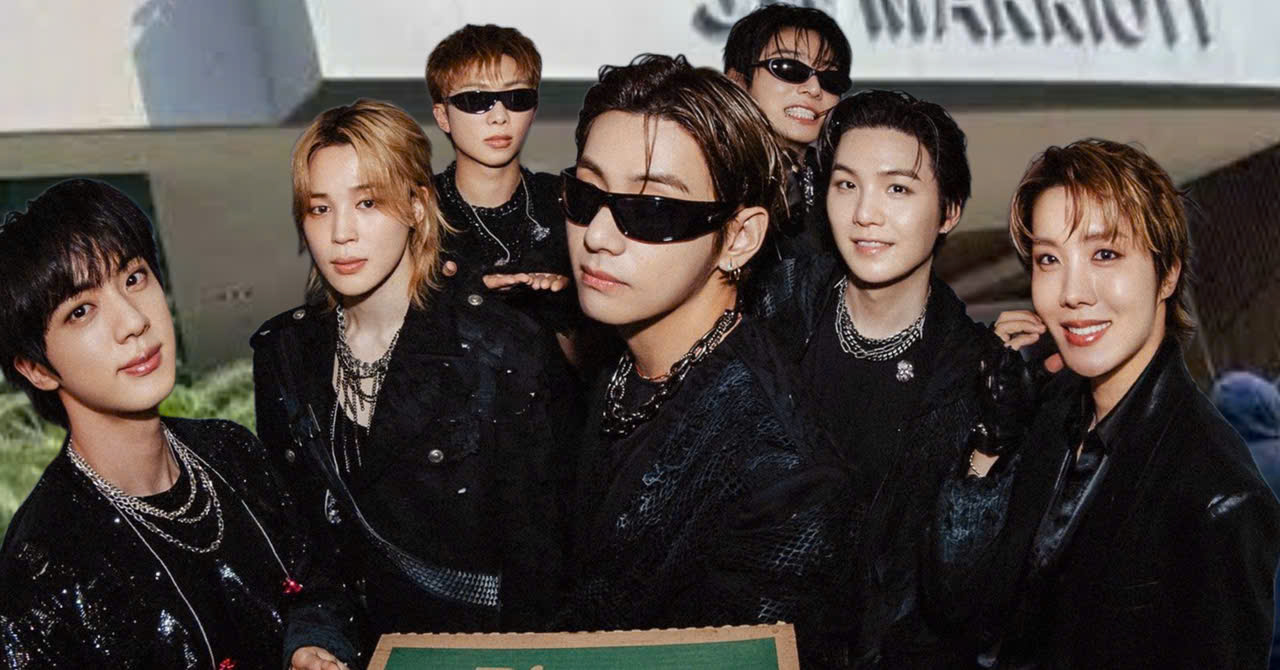
Looking at events like these, and placing them in the context of BTS recently returning with a full lineup after a three-year hiatus—with a Billboard No.1 album and an upcoming year-long world tour—many K-pop fans cannot help but be amazed by the group’s longevity. BTS has not only surpαѕѕed the so-called “seven-year barrier” but has also maintained its full lineup, renewed its group contract with BigHit Music three times, and achieved tremendous success over the past 13 years.
Yet even this does not seem to be their limit. An old remark by RM about BTS’s future vision has been widely circulated again in recent days. He said: “This is us talking because we want to do this for a long time. We pαѕѕed the so-called seven-year limits… BTS stands for Bangtan Boys, and we envision ourselves becoming Bangtan Papas or even Bangtan Grandpas. Maybe 20 or 30 years later. That’s what we want. BTP let’s go.”
The way the leader described his vision of BTS becoming “Bangtan Papas” or even “Bangtan Grandpas” is not merely a humorous remark, but a confident declaration of the group’s longevity—moving fans emotionally while earning admiration from the public for BTS’s determination, unity, and perseverance. In an industry that frequently witnesses group disbandments or lineup changes, such an unbreakable bond among all seven members is truly rare and precious.

Not only RM, but other BTS members have also repeatedly emphasized their desire to stay together as a group. Jungkook once said, “I just want our BTS team to stay together for as long as possible.” V also shared in a February interview with GQ: “We all treasure BTS more than we treasure each one of us separately. We debuted as a group, so I think that’s the core identity that we have.”
Meanwhile, Jin once explained the secret behind BTS maintaining their lineup over time: “It’s hard to maintain a team if there is a person who wants to do whatever he wants as he thinks he is successful. However, each one of us does not cross the line and concedes what he wants to do for the other members. I think that’s why we can maintain our team.”
RM expressed a similar perspective in another interview, admitting: “All seven of us are different, you know. We are really very different… I describe it like this: it’s like we’re rowing the same boat but looking toward different places. We have different personalities, we’re good at different things and bad at different things…” But "Because we're in this team, … we’re achieving things together under the name of BTS that we couldn’t do otherwise.”
On the other hand, he also emphasized: “The reason we’ve kept the group together until now is the love between members, and so much love and respect for you guys. I love you all. I hope you understand that.”
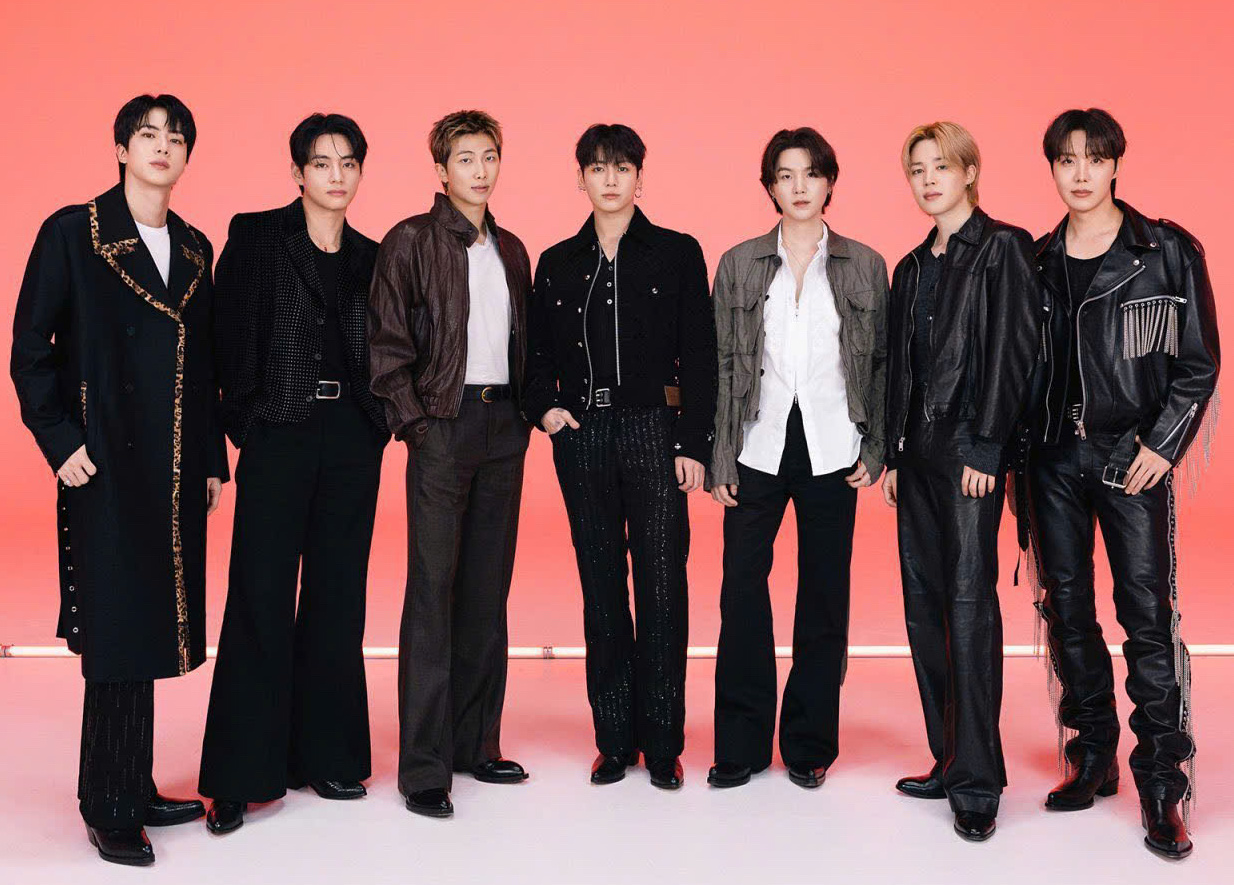
The truth is, it is extremely difficult to balance individual ambitions with the spirit of a group. Even BTS has admitted that they went through “thousands of times” of contemplating disbandment before reaching their current state—a level of harmony where all seven members operate as one. Therefore, calling the departures of Heeseung, Mark, or Ten “unusual” would not be entirely accurate; rather, BTS’s unity simply exists on a completely different level compared to the rest of K-pop.