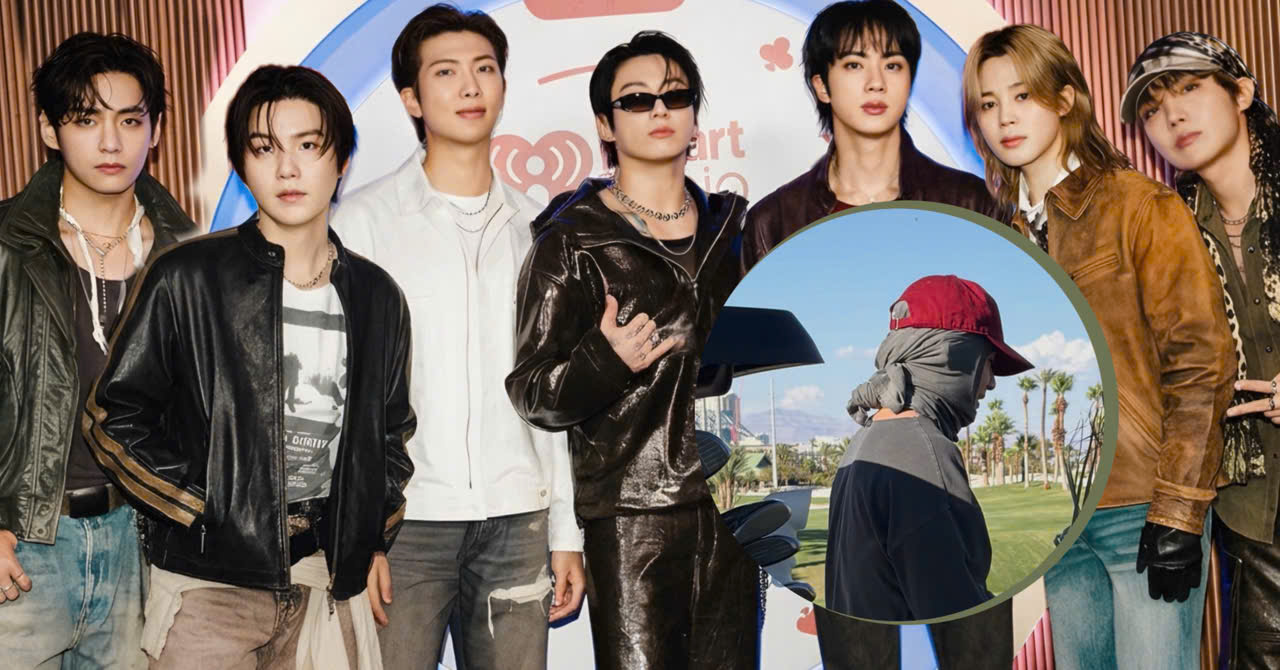
On the 21st, BTS, together with their fan community ARMY, transformed Gwanghwamun Square—a historical and cultural symbol of кσяєα—into a विशाल purple-filled universe. The global group officially marked their return as a full lineup after 3 years and 5 months, while also ঘোষণাing the beginning of the “BTS 2.0” era through a performance titled “BTS Comeback Live: ARIRANG.” According to the organizers, approximately 104,000 people gathered at the venue, proving the group’s enduring global status.
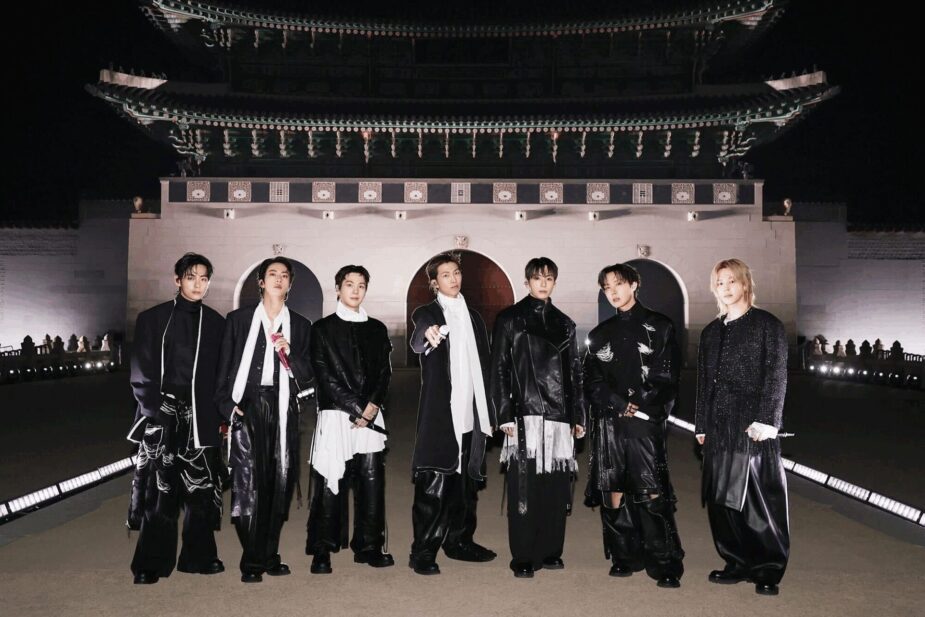
However, alongside the excitement of fans, there were also some negative reactions among the public, particularly from Seoul residents, who argued that the concert caused significant disruption. To ensure the event could take place, roads, subway station entrances, and nearby buildings were temporarily closed, affecting residents, businesses, and even wedding guests.
In particular, there were reports that many civil servants were forced to work on their days off or had to use personal leave to serve an event perceived as “highly commercial.”
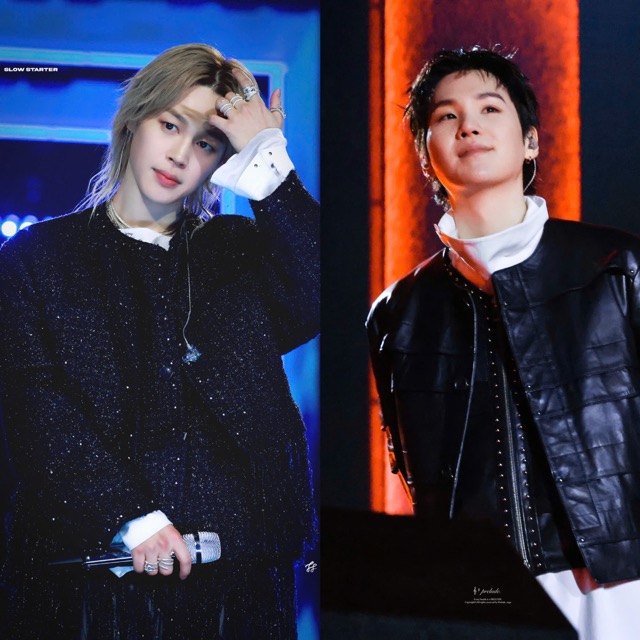
Of course, the members of BTS were fully aware of this downside and made sincere efforts to express their appreciation. Throughout the performance, they repeatedly thanked the staff and the city of Seoul for helping make the concert possible. As the show came to an end, SUGA delivered a final message of gratitude: "Thank you to ARMY for filling Gwanghwamun. We also thank Seoul City and all the people who made it possible for us to perform here, as well as the ρσℓι¢є and many others who worked so hard on-site".
Following him, Jimin expressed similar appreciation and even personally apologized for the inconvenience: “We’re really grateful. You all worked hard. We’re sorry.”
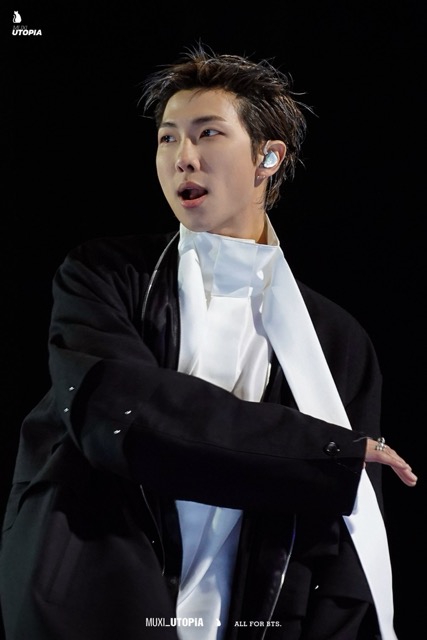
Meanwhile, after the performance at Gwanghwamun concluded, leader RM shared a message of gratitude and apology on behalf of BTS to organizations, residents, and local merchants involved. RM wrote: “We thank everyone who joined us for the Gwanghwamun performance,” adding, “After a long four years, the seven members gathered again and faced the fans in a meaningful space.”
He continued: “We deeply thank the ρσℓι¢є, fire department, government, and local authorities who worked hard to ensure the performance ended without major incidents,” and “We also feel sorry and grateful to the citizens and merchants who endured traffic controls and noise inconveniences.”
He especially emphasized his appreciation for fans, saying, “The moment I heard the cheers filling the square, I felt, ‘We have finally returned,’” and “The biggest pride is the ARMY who enjoyed the performance orderly.”
He added, “This stage is not just BTS’s alone but a performance completed through the efforts and consideration of many,” and “We will repay with better music and performances in the future.” He also reflected on the meaning of the performance, saying, “I hope today’s memories remain a lasting gift in fans’ daily lives.”
In response to the idols’ thoughtful reactions, fans expressed immense pride, saying: "Joon is such a prolific spokesperson and such a graceful poetic thinker and writer, man. Also, BTS never fails to amaze me by their golden character", "The way they eloquently conveyed the humble gratitude of BTS to all those that made the comeback and concert possible. Actually 7 kings", "I’m so proud for my tannies", "BTS handled the situation with remarkable grace", "Their apology is so sincere and grounded. Respect 7",...
Some ARMYs also noted that the disruptions caused by the event were merely a grain of sand compared to the “mαѕѕive impact” it generated. Even the кσяєαn government did not hide its expectations. Deputy Prime Minister for Economic Affairs Koo Yun-cheol stated: “The economic value is expected to reach trillions of won. The invisible ripple effects are even greater.”
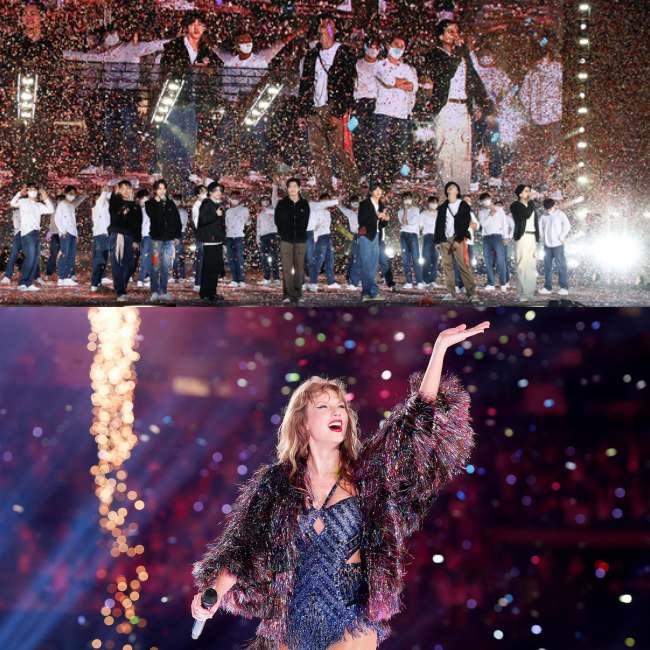
According to the кσяєα Culture and Tourism Institute, each BTS concert held domestically generates an economic impact of approximately 1.2 trillion won. Meanwhile, experts believe that this particular performance carries an influence comparable to “Taylornomics”—a term referring to the economic impact of concerts by αмєяι¢αn pop star Taylor Swift.
Beyond that, the event also impacts other sectors such as politics, culture, and society. BTS’s return is not merely a comeback performance but a national-level cultural promotion event with global reach. Even politicians have recognized it as an opportunity to strongly promote кσяєα’s image on the international stage.