For years, the Grammy Awards have been regarded as the most prestigious honor in the global music industry, often referred to as the "Oscars of music." In particular, the Big Four categories—Album of the Year, Record of the Year, Song of the Year, and Best New Artist—are widely considered the pinnacle of achievement that nearly every artist dreams of reaching. BTS are no exception.
Ever since receiving their first Grammy nomination with the smash нιт "Dynamite" in 2021, BTS have consistently submitted their music for Grammy consideration—from the group's releases during the 2022 and 2023 award seasons to the members' solo projects in the 2025 and 2026 cycles. However, despite repeated recognition, the group has yet to advance beyond nominations.
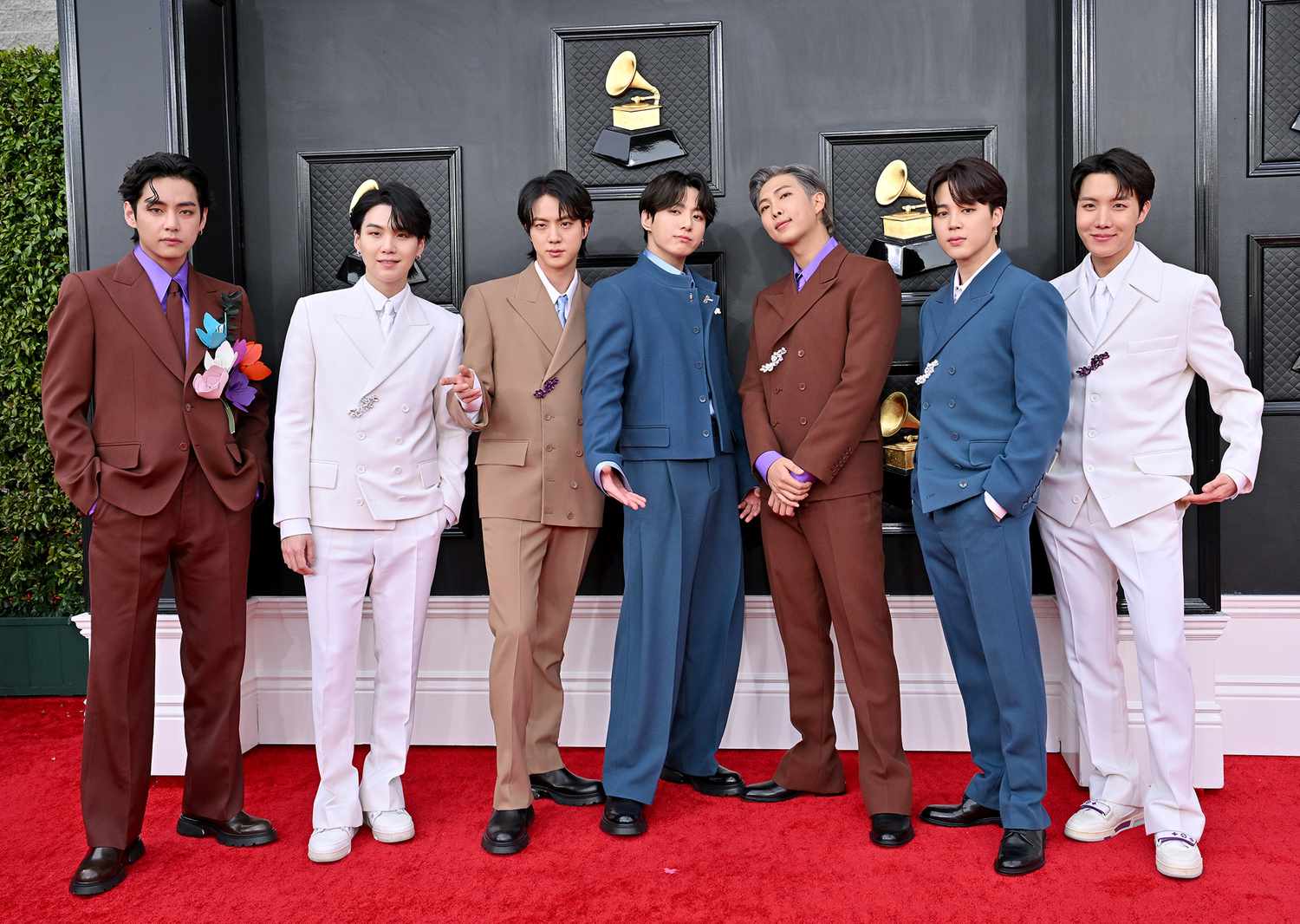
Meanwhile, BTS have amαѕѕed an extraordinary collection of prestigious awards both in кσяєα and internationally, including three of αмєяι¢α's four major music awards: the Billboard Music Awards, the αмєяι¢αn Music Awards, and the MTV Europe Music Awards. As a result, the Grammy has long been viewed as the final мιѕѕιиg piece in their already remarkable trophy collection.
This past March, BTS returned with their fifth studio album, ARIRANG, setting numerous records and earning "Best Album of 2026" honors from Rolling Stone, NME, and Complex. Many industry experts believed this comeback represented BTS's strongest opportunity yet to finally capture their first Grammy Award.
However, just as many expected the group to submit ARIRANG for consideration at the 2027 Grammy Awards, BTS made a ѕнσ¢кing announcement!
On July 29, all seven members simultaneously shared the same message on their personal Instagram accounts: "We've decided not to submit our work for this year's Grammy Awards. We hope music will be recognized and loved for what it is, rather than being divided by region or language. Thank you, as always, to ARMY and everyone who supports us."

The announcement immediately sent ѕнσ¢кwaves through both the fandom and the music industry. After years of pursuing Grammy recognition, BTS's decision was widely interpreted as a sign that the group had chosen to step away from that journey. Even more striking was the reason they gave: they hope music will be appreciated for its artistic value rather than categorized by region or language.
Many believe the statement is connected to a recent change in the Grammy Awards' category lineup. One month earlier, the Recording Academy announced a new category, Best Asian Pop Song, which recognizes songs that prominently feature Asian languages—including K-pop, J-pop, and C-pop—and are performed by artists of Asian heritage or artists closely αѕѕociated with the region.

Although awards prediction website Gold Derby described the move by saying, “The Grammys are getting bigger — and that's great news for BTS and Ella Langley”, many fans and industry observers reacted strongly. They argued that the new category reflected a long-standing pattern of racial bias within the Grammy system and represented another attempt to keep BTS from breaking into the Academy's mainstream categories while limiting the group's broader influence.
Forbes pointed out that even if Asian pop artists such as BTS were to win Best Asian Pop Song, the situation could still be viewed as problematic if they continued to be overlooked in major categories such as Record of the Year or Album of the Year. According to the publication, this would amount to acknowledging the commercial impact of Asian pop while stopping short of fully integrating it into the Grammys' primary field of competition.
ARMYs have also argued that whenever artists of color or international artists become too influential to ignore, the Recording Academy has tended to introduce specialized categories rather than recognize them in the Big Four. They often point to Beyoncé, who repeatedly missed out on Album of the Year despite dominating the R&B categories; Bad Bunny, whose recognition has largely been limited to Latin and Urban categories despite his global success; and Tyla, whose rise coincided with the introduction of a dedicated category for African music.
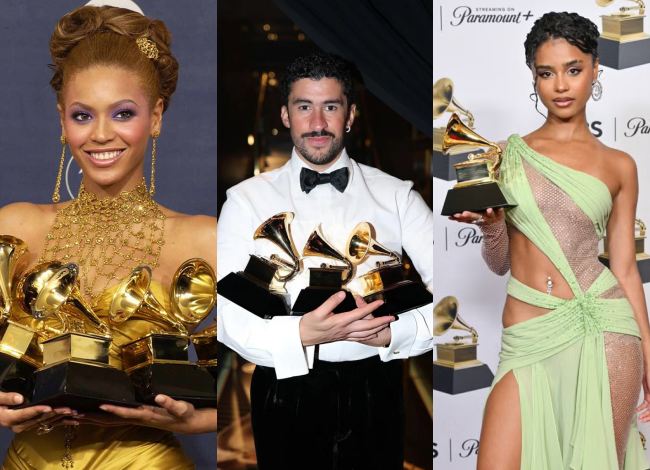
For many fans, it is therefore difficult not to question the Recording Academy's motives in introducing an Asian Pop category immediately after ARIRANG achieved such extraordinary success. They argue that creating a separate category allows the Academy to benefit from the popularity and global appeal of international superstars while preserving the dominance of wнιтe αмєяι¢αn artists in the prestigious Big Four categories.
Taken together with what many fans view as years of unfair treatment toward BTS throughout multiple Grammy seasons, the group's decision has received overwhelming support from ARMY: "I could cry, I am so proud of BTS. I'm so glad they know what they are worth!", "They deserve a Grammy but the Grammys do not deserve them", "Thank god!! they don’t need a grammy to show how big they are", "Music industry needs BTS, clock it kings", "Speaking of ѕєχiness", "This is why they are my favorite. They won't let anyone walk all over them nor take advantage and I fully support their decision", "They don’t need some stupid categorised awards or validations. Good job guys",...